Song Meaning
The narrator is caught in a painful loop of memory, unable to forget a past love. They recall a time when this love was reciprocated, a bond so deep it's etched into their very soul. The lyrics emphasize the enduring nature of their feelings, stating, "Mucho mas yo te quiero" (I love you much more), because this person taught them how to love. This enduring affection stands in stark contrast to the perceived present reality.
The central tension arises from the narrator's realization that the love is no longer mutual. They lament, "Que tristeza me da de saber / Que tu si me olvidaste" (What sadness it gives me to know / That you did forget me). The memory of past affection, where the other person actively pursued them with "palabras bonitas de amor" (pretty words of love), makes the present distance even more poignant. It’s a painful disconnect between what was and what is.
The most striking aspect is the narrator's desperate attempt to recapture a lost moment, driven by a powerful craving. They explicitly state, "Hoy te vine a buscar" (Today I came to look for you), not out of necessity, but out of a deep-seated longing to see the beloved's smile and gaze. The repeated desire to "mirar de cerquita / En la luz de tus ojos" (look up close / In the light of your eyes) reveals an almost obsessive need to reconnect with the essence of that past love, to find proof that it still exists within the other person.
This yearning makes the lyrics resonate because they capture the universal ache of unrequited or faded love. The narrator’s vulnerability in seeking out someone who has clearly moved on, clinging to the memory of their shared past, is both heartbreaking and intensely human. The focus on the physical details – the smile, the gaze, the light in the eyes – grounds the abstract pain in tangible, relatable imagery, making the emotional impact that much stronger.
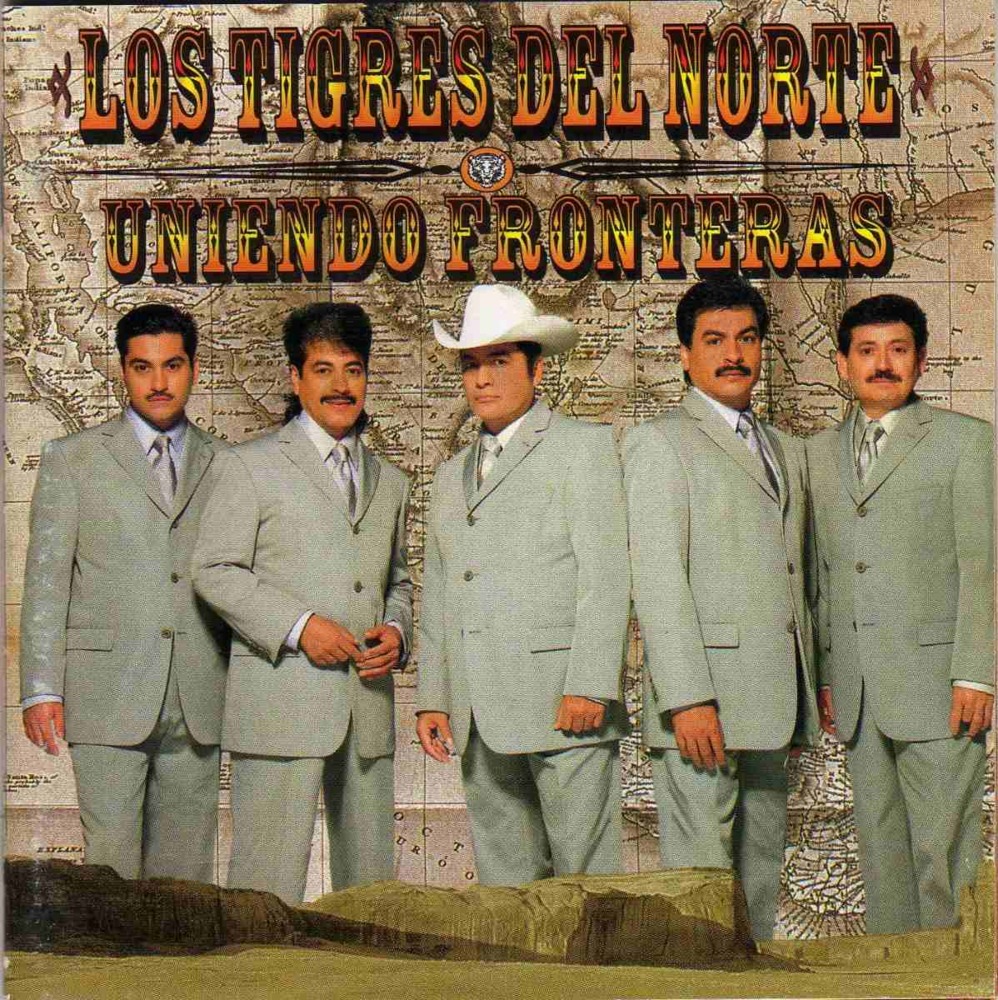
 View Artist