Song Meaning
This song paints a vivid picture of a legendary horse, 'Siete Leguas,' deeply cherished by Francisco Villa. The horse's spirited reaction to the whistle of trains hints at an almost sentient connection to its rider and the impending action. The lyrics establish a scene of anticipation and readiness, where the horse's prancing and neighing underscore the charged atmosphere before a fight.
The narrative shifts to the specific location of Irapuato station, described as a place where 'horizons shone' and where Villa's 'Bracamontes brigade' fought. This setting becomes a focal point for past valor, with the 'horizons' now 'singing,' suggesting a memory or echo of the conflict. The repetition of the station and the horizon imagery reinforces the significance of this place in the unfolding story.
A pivotal moment arrives with the three o'clock whistle of the locomotive, a clear signal for action. The command, "Arriba, arriba muchachos, Pongan la ametrallodora" (Up, up boys, put on the machine gun), injects a sense of urgency and military preparedness. This direct call to arms, coupled with the horse's earlier reaction, highlights the blend of personal loyalty and revolutionary duty.
The lyrics then directly address Villa, questioning his heart and reminding him of past triumphs like the attacks on Paredón and Torreón. This rhetorical questioning serves to galvanize the spirit of the leader, invoking his bravery and past conquests. The final verses declare Villa's arrival as a force of reclamation, promising to 'take away their panther' and 'return the border,' framing him as a liberator reclaiming what was lost.
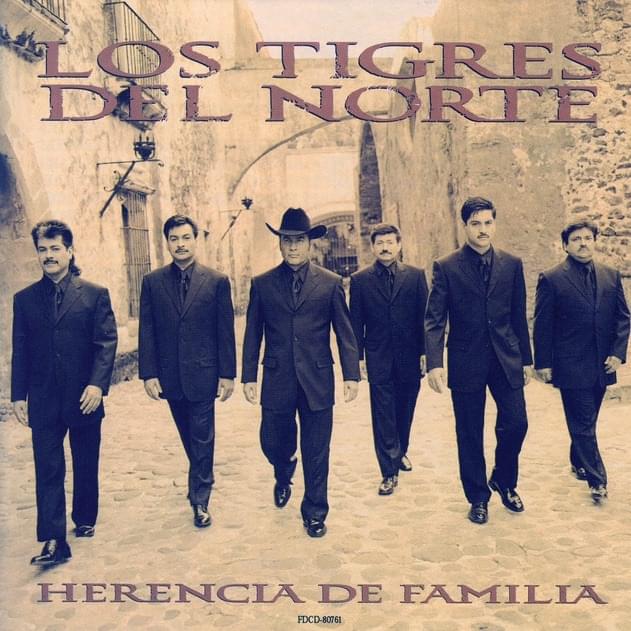
 View Artist