Song Meaning
The lyrics present a stark contrast between two archetypes: 'el macho' and 'el hombre.' The 'macho' is characterized by irresponsibility, leaving a trail of abandoned children and broken hearts, often associated with shame and vice. The 'hombre,' conversely, embodies duty and paternal commitment, actively raising and guiding his offspring. This distinction is central, framing the 'macho' as a source of disgrace and the 'hombre' as one who fulfills his obligations.
The narrative paints a grim picture of the consequences of 'macho' behavior. The narrator has witnessed innocent children suffering and women weeping from abandonment, their lives derailed by a 'mal cariño.' This imagery of neglect and despair, with women 'morir poco a poco' and 'arrastrando un niño,' underscores the deep emotional and social damage inflicted by this irresponsible masculinity. The lyrics suggest that true strength lies not in procreation without responsibility, but in nurturing and providing.
The core of the song lies in this direct opposition: 'El macho y el hombre son polos opuestos.' The writing uses sharp, declarative statements to define each role. 'Macho es el que deja hijos por doquiera' is immediately countered by 'Hombre el que los cría los educa, los guía / Y les da de comer.' This clear dichotomy serves to condemn the former and elevate the latter, highlighting a specific moral framework for evaluating manhood. The lyrics also point to the cowardice often masked by 'macho' bravado, noting they 'matar por la espalda' and 'Presumir su hombría cuando andan borrachos / Pero frente a un hombre, no saben que hacer.'
This lyrical construction is effective because it grounds abstract concepts of masculinity in concrete, emotional outcomes. The listener is shown the suffering caused by the 'macho' and the quiet dignity of the 'hombre.' The repeated assertion of their opposition reinforces the central message, making it a powerful critique of performative masculinity versus genuine paternal responsibility. It’s a direct call to recognize the difference between leaving a legacy of pain and building one of care.
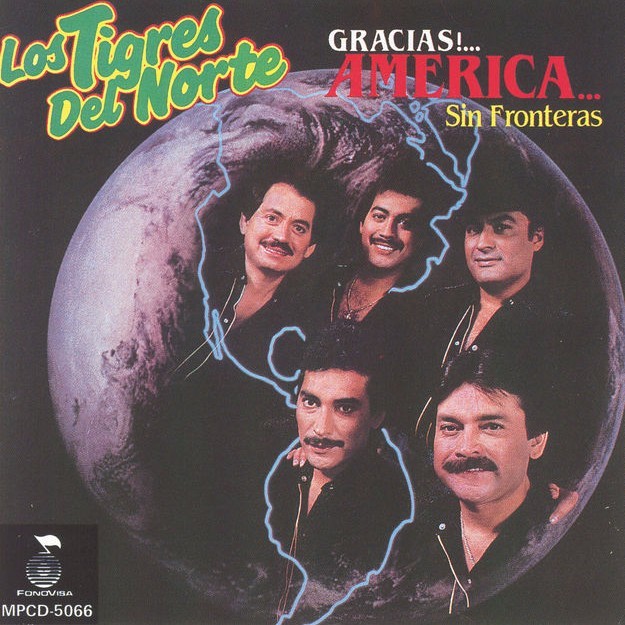
 View Artist