Song Meaning
This song paints a stark picture of a life marked by hardship and a profound sense of abandonment. The narrator anticipates their death with a weary resignation, believing the world is ungrateful and only values wealth. This bitterness shapes their dying wish: a simple wooden cross, buried away from any formal cemetery, a final act of solitude. The lyrics immediately establish a tone of deep sorrow and disillusionment.
The central tension arises from the narrator's profound isolation and the perceived injustice of a world that favors the rich. They feel unseen and uncared for, especially lamenting the absence of parental comfort, which intensifies their suffering. This lack of support makes their path seem solely paved with sadness, leaving them with no expectation of guidance or solace from others. The repeated refrain about a tired soul and weeping eyes underscores this pervasive despair.
The most striking image is the desire for a "cruz de palo"—a simple wooden cross—placed on their grave, buried "entre los montes" (among the mountains). This contrasts sharply with the implied societal norms of a "camposanto" (graveyard), suggesting a rejection of conventional burial and a yearning for a final resting place as humble and unadorned as their life felt. It's a powerful statement of wanting to be forgotten by a world that never truly acknowledged them in life.
What makes these lyrics resonate is their raw, unflinching portrayal of loneliness and the emotional weight of feeling invisible. The narrator's weary voice, lamenting lost light and tired eyes, creates an intimate sense of their suffering. The stark imagery of the wooden cross and mountain burial solidifies the feeling of a life lived on the fringes, seeking a final peace away from the world's indifference.
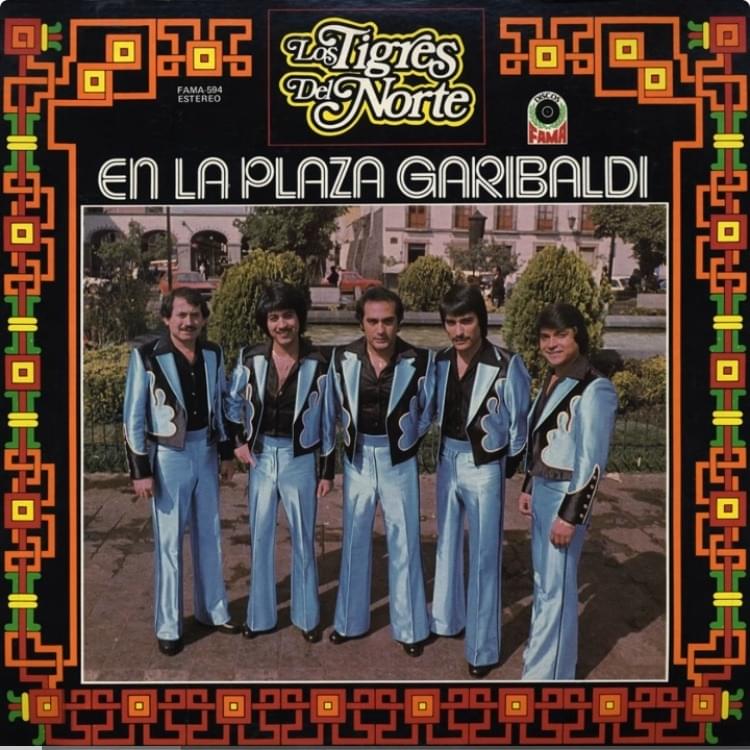
 View Artist