Song Meaning
This track paints a picture of someone utterly captivated, their world transformed by a sudden encounter. The initial lines establish a feeling of wonder and hope, as the narrator's reality is filled with 'mucha ilusión' (much illusion/hope) from the moment they first saw the object of their affection. This initial spark quickly ignites a powerful, almost overwhelming feeling, leading to the declaration that their heart has been made a prisoner, not by force, but by a simple smile. The repetition of 'Desde que te vi' (Since I saw you) and 'Con tu sonreír' (With your smiling) hammers home the instantaneous and profound impact of this person.
The central tension here is the narrator's desperate need for proximity, born from an inability to function without the other person's presence. The plea 'Acércate a mí' (Come closer to me) is repeated, underscoring a profound sense of dependency and longing. This isn't just a casual crush; it's presented as a fundamental requirement for their existence, stating 'yo ya no puedo vivir / Alejado de ti' (I can no longer live / Far from you). The lyrics suggest a love that feels fated, almost inescapable, where the narrator is already 'tu prisionero / Desde siempre' (your prisoner / Since always).
The most striking aspect of the writing is the consistent framing of love as a form of willing captivity. The narrator doesn't just want to be loved; they want to *prove* their devotion by being a 'prisionero' (prisoner) and offering 'sincero' (sincere) love. This is further emphasized by the physical desire expressed, 'Esa ceda que tiene tu cuerpo la acariciare' (That silk your body has I will caress), which is directly linked to the burning desire 'de estar junto a ti' (to be next to you). The repetition of the chorus reinforces this idea: come close, and you'll see I'm yours, and my love is real.
Ultimately, the effectiveness of these lyrics lies in their directness and the raw emotional vulnerability they convey. The simple, declarative sentences and the insistent repetition create a sense of urgency and sincerity. The narrator isn't trying to be coy; they are laying bare a powerful, all-consuming feeling, making the plea to 'Acércate a mí' feel like an essential, life-affirming request.
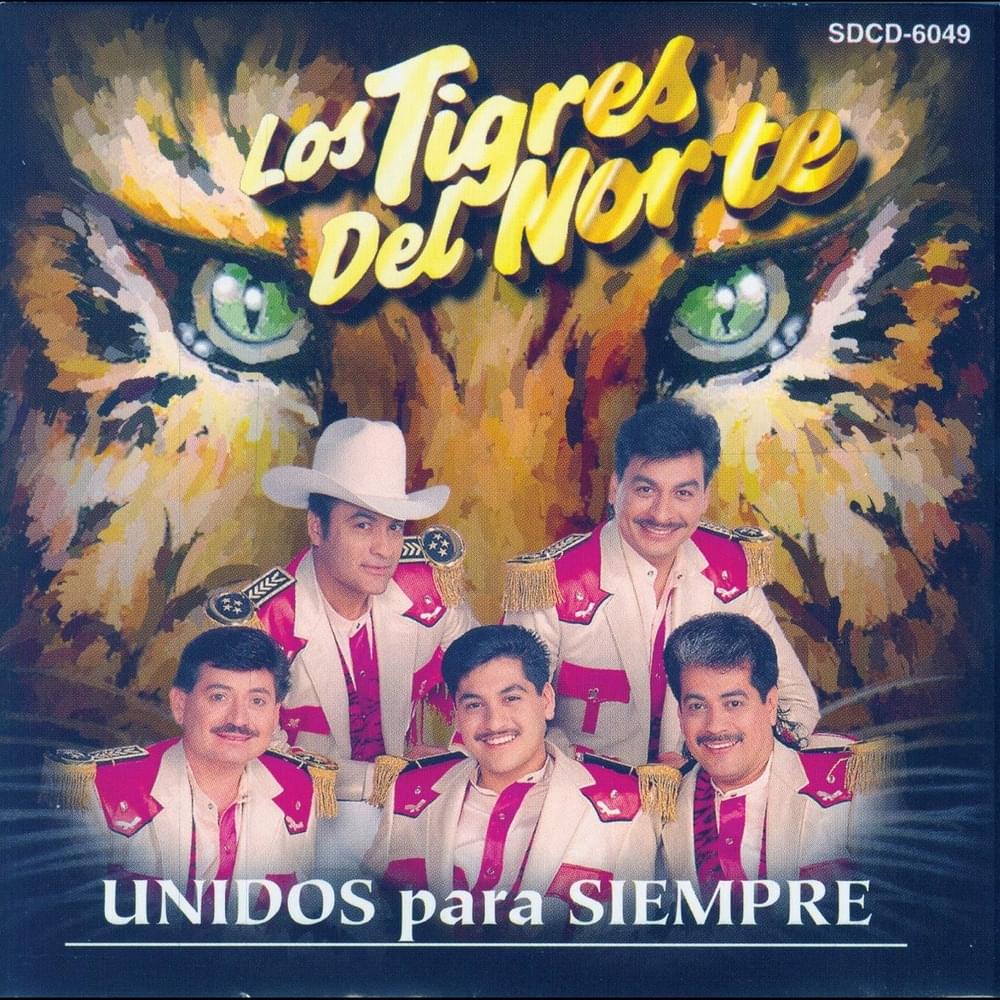
 View Artist