Song Meaning
The narrator opens with a clear declaration of intent: they actively tried *not* to fall for the object of their affection. This wasn't a passive surrender; it was a conscious effort to avoid a specific outcome. The immediate follow-up, however, reveals the futility of this resistance, highlighting a sense of bewilderment and lack of control over their own feelings. It’s a classic setup for unrequited or complicated love.
The central tension hinges on the narrator's awareness of the other person's negative perception versus their escalating feelings. They understand that reciprocation is unlikely, acknowledging, "Comprendo bien que no me querrás jamas." Yet, this very understanding seems to fuel the desire, creating a painful paradox: the more they grasp the impossibility, the more intensely they fall. This self-awareness amplifies the internal conflict.
The repeated phrase "La culpa no tengo yo" functions as a desperate plea, a shield against self-blame or external judgment. It’s a way of externalizing the uncontrollable force of love, placing the responsibility squarely on the heart itself: "Culpable, culpable / Mi corazón." This repetition underscores the narrator's feeling of being a victim of their own emotions, unable to steer the course of their affections.
This lyrical structure effectively conveys the disorienting and overwhelming nature of falling in love against one's better judgment. The contrast between the initial resolve and the eventual surrender, coupled with the insistent denial of personal fault, creates a potent emotional resonance. The song captures that specific ache of knowing something is doomed but being powerless to stop it, making the heart the sole, albeit unwilling, perpetrator.
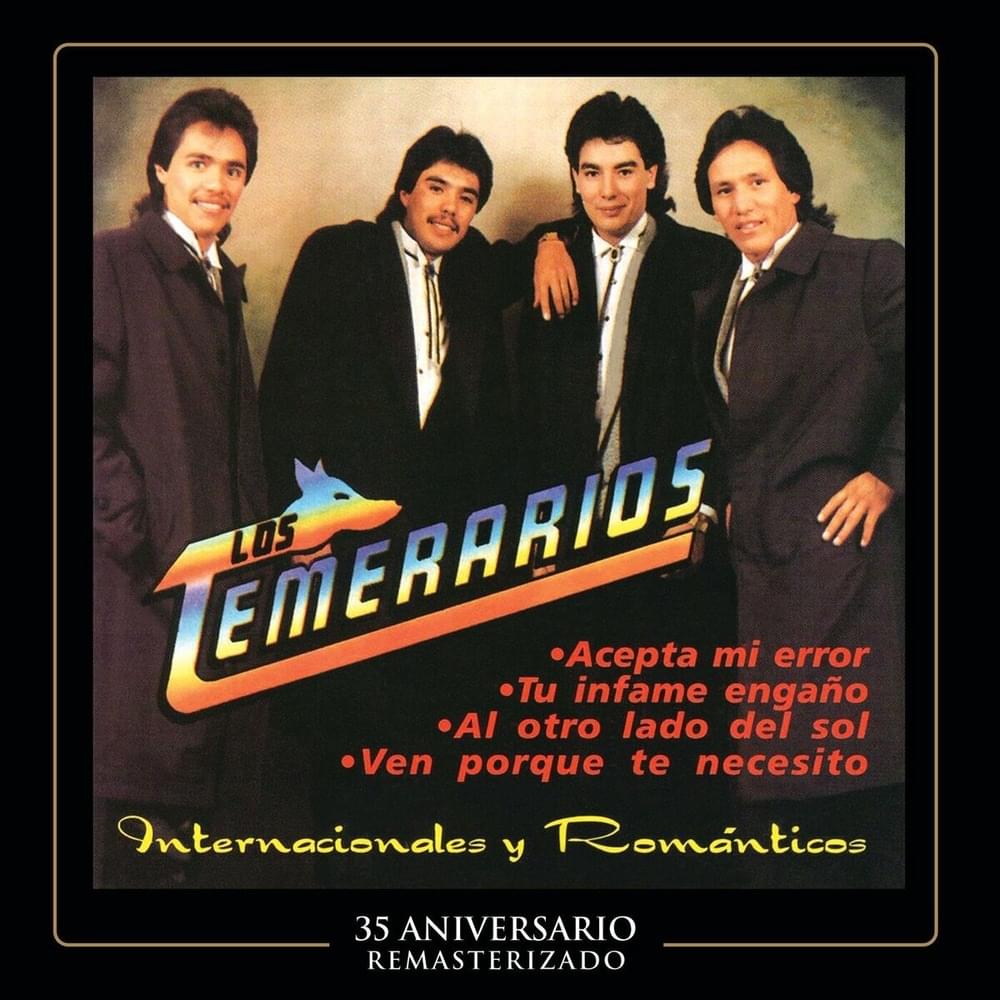
 View Artist