Song Meaning
The lyrics of "NO PUEDES CORRER" immediately drop the listener into a stark world where blows, both literal and metaphorical, are an inescapable part of life. There's a cynical acceptance of inevitable consequences, almost a dark humor in the rhetorical questions about fearing a beating. The dominant feeling is one of dread and powerlessness, a sense that fate is closing in.
The central tension lies in the shift from a generalized, almost philosophical acceptance of these "hostias"—Spanish for blows, but also a common expletive—to the very personal and concrete reality of receiving them. The lyrics suggest some of these hits are deserved ("te las mereces tú"), while others seem to arrive randomly, like a splash ("salpica"), yet the outcome is always the same: you're the one who ultimately "te la llevas puesta tú."
The craft here is particularly effective in its relentless repetition and direct address. The word "hostias" is used in various contexts, normalizing the idea of receiving a blow, whether it's a physical beating or a stroke of bad luck. The shift from general observations to specific threats—unwanted police encounters, a tarnished record, financial woes—broadens the scope of what these inescapable "blows" entail. The contrast between the suddenness of a blow and the "finamente" (ultimately) receiving it highlights an insidious, almost predestined quality.
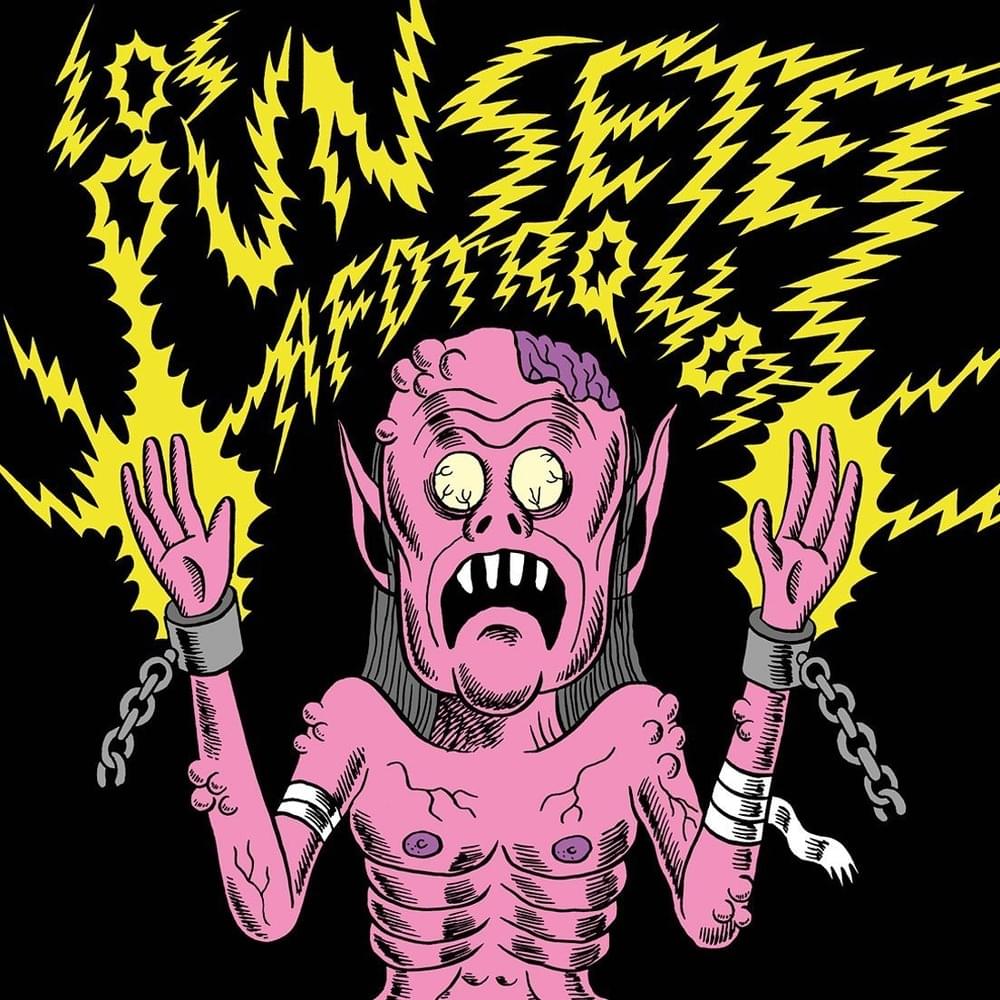
What makes these lyrics hit so hard is the suffocating, almost hypnotic repetition of "Lo intentas, pero no puedes correr." This isn't just about physical flight; it's about an inability to escape one's past, one's reputation, or the systemic forces that seem to conspire against the narrator. The cumulative effect is a powerful, visceral sense of fatalism, leaving the listener with the chilling realization that some fates, once set in motion, simply cannot be outrun.
 View Artist