Song Meaning
The narrator opens by emphatically denying responsibility for another's pain, stating, "Yo no tengo la culpa" (I'm not to blame) multiple times. This isn't a casual shrug; it's a forceful assertion against an accusation, suggesting a deep rift where one person feels wronged and the other feels unjustly accused. The lyrics paint a picture of someone whose inner light has been extinguished, asking, "Dónde has dejado tu risa?" (Where have you left your laughter?), implying a profound loss of joy that the narrator feels disconnected from, despite their own deep affection.
The central tension arises from this perceived injustice and the narrator's desperate plea. They claim to have given everything, "Todo lo que yo tengo / Todo yo te lo daba" (Everything I have / Everything I gave you), yet the other person's actions are destroying them, "Es que me esta matando" (It's killing me). This isn't just a breakup; it's a mutual unraveling where the narrator feels their own love and efforts have been twisted into something harmful, leading them to question the very nature of their past devotion.
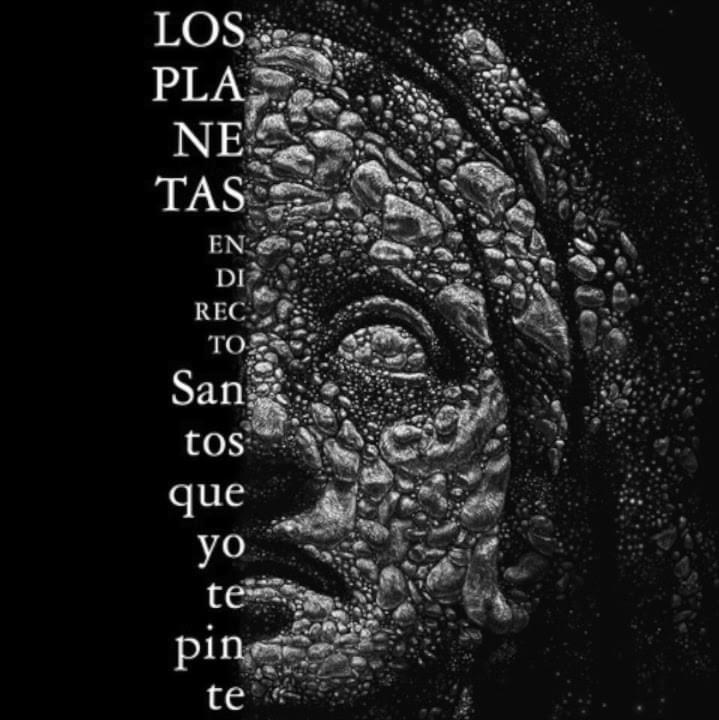
The most striking lyrical device is the recurring, almost incantatory chorus: "Santos que yo te pinté / Demonios se tienen que volver" (Saints that I painted for you / Must turn into demons). This powerful metaphor suggests that the idealized version of the narrator, or perhaps the relationship itself, that the other person once held dear has now soured, becoming monstrous in their eyes. The narrator, who insists they were never an angel, feels their genuine love is now perceived as something dark and malevolent, a complete inversion of their intentions.
This lyrical construction is effective because it captures the raw, agonizing feeling of being misunderstood and rejected, especially when one believes their intentions were pure. The repetition of the chorus hammers home the sense of irreversible damage and the painful transformation of what was once cherished. The narrator's final assertion, "Que como yo te he querido / No va a quererte nadie" (That how I have loved you / No one will love you), is a defiant, heartbroken claim that their unique, intense love is irreplaceable, even if it's now seen as a curse.
 View Artist