Song Meaning
The lyrics paint a stark picture of urgency, hammering home the idea that time is critically short. The repeated phrase "No hay tiempo de más" (There's no more time) immediately establishes a sense of impending finality. This isn't just a feeling of being busy; it's a declaration that a specific, limited window is closing, making even "una hora es fatal" (an hour is fatal) and "un minuto igual" (a minute the same). The dominant tone is one of desperate, almost panicked, insistence on action or consequence.
The core tension lies in the refusal to accept limitations, specifically the idea that one "cannot fly." This defiance against impossibility is met with the harsh reality of dwindling time. The narrator seems to be pushing against an external or internal barrier, urging against the notion of being unable to achieve something significant, perhaps escape or transcendence, before the clock runs out. The plea "No, no me digas que no se puede" (No, don't tell me it can't be done) is a direct confrontation with perceived limitations.
The most striking element is the direct address and the countdown to regret. The lyrics explicitly state, "No te queda un minuto más / Para arrepentirte" (You don't have one more minute / To regret). This sharp, unforgiving deadline transforms the abstract concept of time into a concrete threat. The repetition emphasizes the finality, suggesting that the opportunity to change course or express remorse is vanishing with each passing second, leaving no room for second chances.
This lyrical construction is effective because it bypasses nuanced emotional exploration for raw, immediate impact. The relentless repetition and the stark, declarative statements create a feeling of being trapped in a high-stakes moment. The focus isn't on the *why* of the situation, but the *what now*, forcing the listener into the narrator's urgent, perhaps desperate, perspective where the only thing that matters is the rapidly disappearing present.
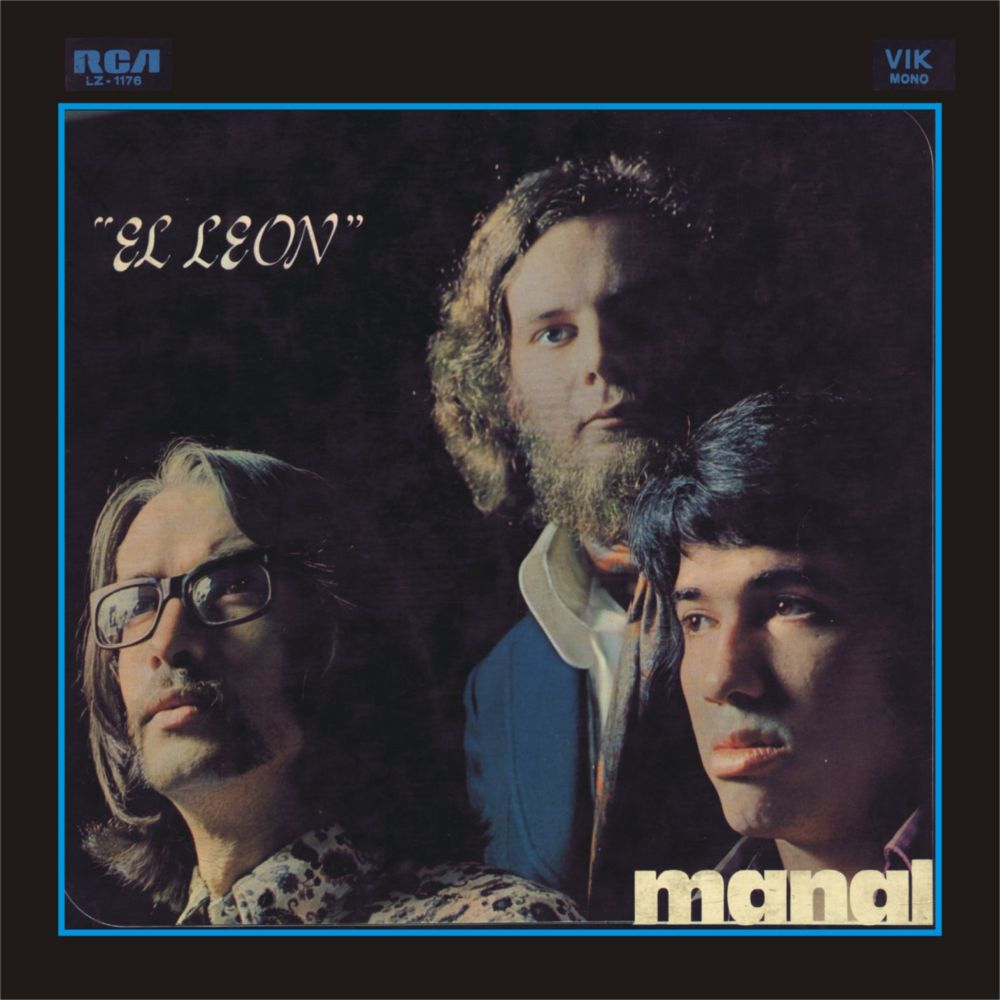
 View Artist