Song Meaning
The lyrics paint a picture of a determined, almost desperate, final push towards an unknown destination. The narrator implores someone to "empty your glass before the end," suggesting a need to shed burdens or inhibitions for a climactic moment. This urgent plea is underscored by the imagery of crossing streets in silence, hinting at a solitary and perhaps clandestine journey. There's a palpable sense of anticipation, a feeling that something significant is about to occur, and the narrator is racing against time to reach it.
The central tension lies between this forward momentum and the impending "end." The repetition of "Déjame que llegue ahí" (Let me get there) emphasizes the narrator's singular focus, overriding any potential hesitations or distractions. The instruction to empty the glass is a powerful, albeit ambiguous, command. It could signify letting go of past regrets, present comforts, or even a literal final drink before a significant event. This act of emptying seems crucial for the narrator's ability to proceed.
The most striking aspect is the contrast between the urgent internal drive and the quiet external movement. "Calles voy a cruzar / En silencio, nena" (Streets I will cross / In silence, baby) creates a stark image of focused determination amidst a potentially indifferent or unaware world. The whispered "escucho hay un lugar" (I hear there is a place) adds a layer of mystery, suggesting the destination is not a physical certainty but a heard rumor, a hopeful possibility guiding the narrator's path.
This lyrical construction is effective because it taps into a universal feeling of chasing a crucial, perhaps final, opportunity. The ambiguity of the "end" and the "place" allows listeners to project their own significant life moments onto the narrative. The blend of urgent action and quiet introspection creates a compelling atmosphere, making the narrator's quest feel both deeply personal and broadly resonant, driven by the simple, powerful desire to arrive before it's too late.
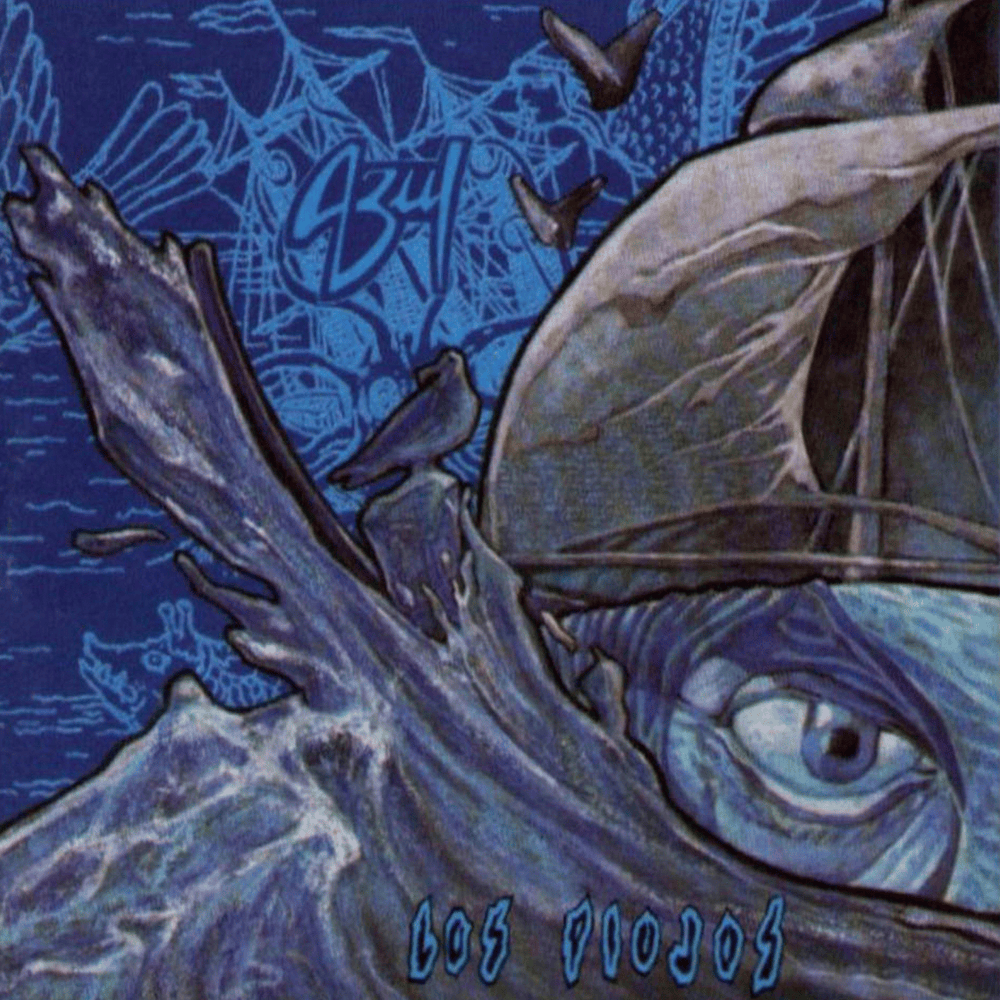
 View Artist