Song Meaning
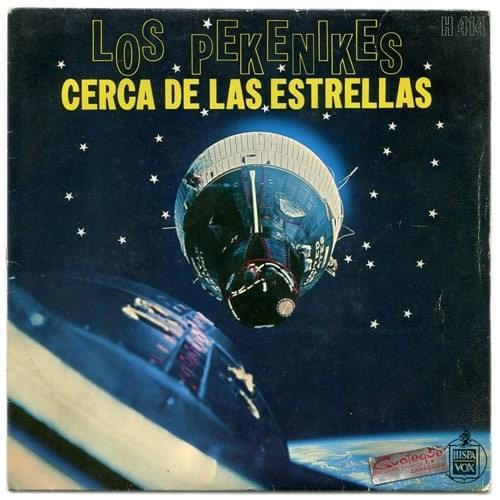
The narrator is on a quest for an idealized existence, a place far removed from the harsh realities of their current world. This search is directed towards the stars, a classic metaphor for the unattainable or the transcendent. The desire is for a realm where light perpetually shines, even amidst darkness, suggesting a yearning for constant hope and solace.
This escape is driven by a profound dissatisfaction with the present, specifically a need to get "lejos del sol" – away from the sun, the source of life but also potentially of overwhelming intensity or exposure. The stars represent a refuge, a place where the relentless march of time ceases. This suggests a desire for stasis, an end to the pressures and changes that life inevitably brings.
The lyrics repeat the core sentiment: "Buscaré otro mundo lejos del sol, en las estrellas." This repetition emphasizes the singular focus of the narrator's longing. The contrast between "luz" (light) and "tinieblas" (darkness) highlights the core tension – the search for enduring brightness in a world that seems prone to shadow. The idea of living "donde el tiempo no pasará" is the ultimate fantasy, a promise of eternal peace and freedom from decay.
Ultimately, the effectiveness of these lyrics lies in their direct, almost childlike articulation of a universal human desire for escape and permanence. The imagery is simple yet potent, tapping into our collective fascination with the cosmos as a symbol of ultimate refuge and wonder. It’s a potent expression of wanting to find a perfect, unchanging sanctuary.
 View Artist