Song Meaning
The lyrics paint a stark picture of sudden abandonment, with the narrator left blindsided. The opening lines, "Sin precisar un motivo / Me dejaste de querer," immediately establish a tone of confusion and hurt, highlighting the lack of explanation for the breakup. The narrator's sense of loss is amplified by the contrast between their own devotion – "Yo que por ti deba todo" – and the ultimate outcome of having to lose the person they loved.
The central tension lies in the narrator's desperate attempt to understand what went wrong and their lingering feelings of inadequacy. They question their own actions, wondering "No sé en qué te habré faltado / Si mi amor no te bastó." This internal struggle is juxtaposed with a defiant assertion of their own irreplaceable love, claiming "Pero como yo te quiero / Nadie a ti te podrá amar." The repeated question, "Quién ocupa mi lugar?" underscores the painful void left by the departed lover.
The most striking element is the relentless repetition of the chorus: "Llora que llora mi corazón / Llora que llora tu desamor." This isn't just a lament; it's a cyclical, almost obsessive expression of grief that mirrors the narrator's inability to move on. The phrase "Llora que llora" (cry and cry) emphasizes the ongoing, unyielding nature of their sorrow, while the attribution of "tu desamor" (your lack of love) to their own heart suggests a deep internalization of the pain, as if the lover's indifference has become their own.
Ultimately, the effectiveness of these lyrics stems from their raw, unvarnished portrayal of heartbreak. The simple, direct language and the insistent rhythm of the chorus create an overwhelming sense of despair. The narrator’s blend of self-doubt and unwavering conviction in the uniqueness of their love makes the pain feel both personal and profoundly resonant, capturing the disorienting aftermath of a love that vanished without a trace.
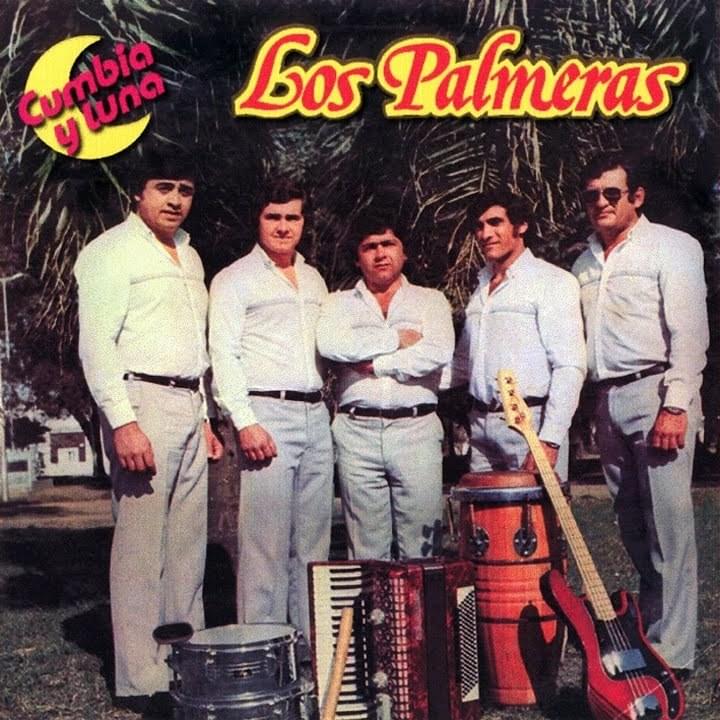
 View Artist