Song Meaning
The narrator addresses their "juguetona" (playful) "nena" (baby/girl), stating she now has a love that is exclusively hers. This love is presented as something she always desired, a fulfillment of her wishes. The scene is set with a sense of possession and exclusivity, hinting at a relationship dynamic where the narrator is observing or perhaps even relinquishing control.
The core tension lies in the narrator's desperate plea for reciprocation. The repeated "Dime, dime" (Tell me, tell me) underscores an intense need for verbal confirmation of love and desire. This isn't just a casual request; it's a demand born from insecurity, as the narrator seeks to match the intensity of their own feelings with an equal declaration from the "nena." The contrast between the "nena" having her exclusive love and the narrator's need for reassurance is palpable.
The most striking element is the insistent repetition of the plea, "Dime, dime que me quieres como yo te quiero a ti / Dime, dime que me amas como siempre yo te ame." This isn't just about hearing the words; it's about the *how* – "as I love you" and "as I always loved you." The narrator is essentially asking for a love that mirrors their own unwavering, perhaps even past-tense, devotion. The phrase "como siempre yo te ame" (as I always loved you) suggests a long-standing, consistent love on the narrator's part, creating a poignant contrast with the implied uncertainty of the "nena's" current feelings.
This lyrical structure effectively conveys a profound sense of vulnerability and longing. The simple, direct language, combined with the relentless repetition, amplifies the emotional weight of the narrator's insecurity. It’s the raw, almost childlike insistence of the repeated questions that makes the plea so affecting, highlighting a deep-seated fear of unrequited love despite the apparent presence of a new, exclusive relationship for the "nena."
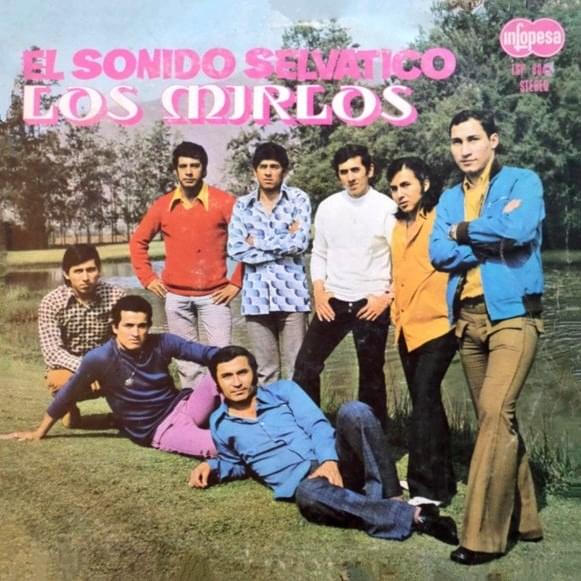
 View Artist