Song Meaning
This song paints a picture of a simple, almost childlike joy found in a peculiar vehicle. The narrator describes a "little car" that’s more of a "frame" with a "single piston motor," suggesting something rudimentary and perhaps handmade. Yet, this humble "cochecito" brings immense pleasure, as the narrator declares, "In my car I am / I'm going for a ride." The immediate emotional texture is one of unadulterated, almost whimsical contentment, a stark contrast to the complexity of modern life.
The core tension arises from the narrator's contemplation of marriage and the potential for rejection. The narrator states, "If I ever / think of getting married / I will ask him for his consent." This implies a same-sex relationship, adding a layer of vulnerability. The fear is palpable: "Because it could be / that upon saying yes / He would say no." This moment of potential heartbreak is juxtaposed with the car's cheerful "Papaparaparapa" refrain, creating a poignant emotional dissonance.
The most striking craft element is the direct, almost naive narrative voice combined with the onomatopoeic chorus. The simple, repetitive "Papaparaparapa" acts as a joyful, almost nonsensical sound of the car, but it also underscores the narrator's hopeful, perhaps even desperate, desire for affirmation. The contrast between the serious prospect of asking for consent and the lighthearted, almost silly musical interjection highlights the narrator's emotional state – a blend of earnest hope and underlying anxiety.
What makes these lyrics resonate is their ability to capture a profound emotional truth through seemingly simple means. The "little car" becomes a vessel for both personal freedom and the deep-seated human need for acceptance. The lyrics suggest that even in the face of potential rejection, there's a persistent, almost childlike optimism, a willingness to ask and to hope, underscored by the persistent, cheerful hum of the "cochecito."
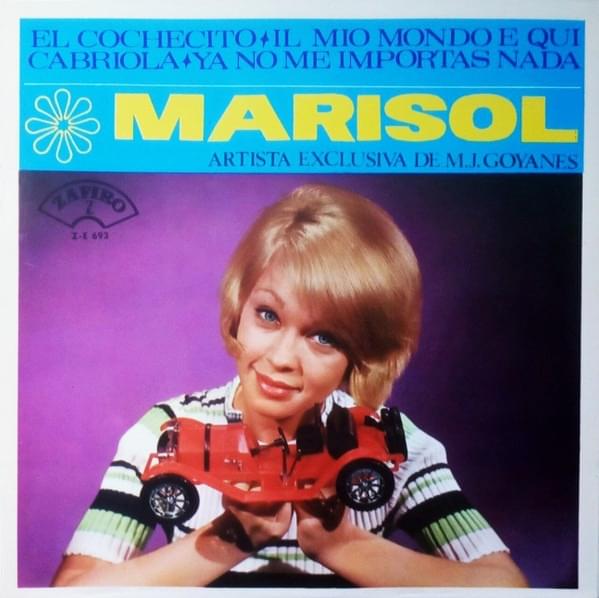
 View Artist