Song Meaning
The clock strikes three, a moment of profound sleeplessness. The narrator addresses a "corazón" – a heart, or perhaps a loved one – who cannot sleep, their worries keeping them awake. This unrest stems from a deep-seated guilt, a feeling of having offended God, which is explicitly stated as the cause of their shared sleeplessness. The scene is set in the dead of night, a time often associated with introspection and reckoning.
The core tension here is between divine justice and human culpability. The lyrics pose a stark theological question: if the offended party (God) cannot sleep, then the offender will surely suffer. This isn't just about a bad night's rest; it's about the inescapable consequences of sin, a spiritual insomnia that mirrors the physical inability to sleep. The repetition of "Las tres de la noche han dado" hammers home the relentless passage of time and the enduring nature of this torment.
The most striking element is the personification of God's sleeplessness as a direct consequence of being offended. This elevates the narrator's transgression beyond a personal failing to an act that disrupts the divine order, making divine retribution feel both imminent and inevitable. The phrase "Mal dormirá quien lo agravie" – whoever offends Him will sleep poorly – is a chillingly direct pronouncement of spiritual unease as a form of punishment.
This lyrical construction is effective because it taps into a primal fear of cosmic consequence. The simple, repetitive structure and the stark imagery of sleeplessness at a specific, late hour create an atmosphere of inescapable dread. The narrator isn't just lamenting their own guilt; they're articulating a universal anxiety about divine judgment and the peace that is lost when one feels they have strayed too far.
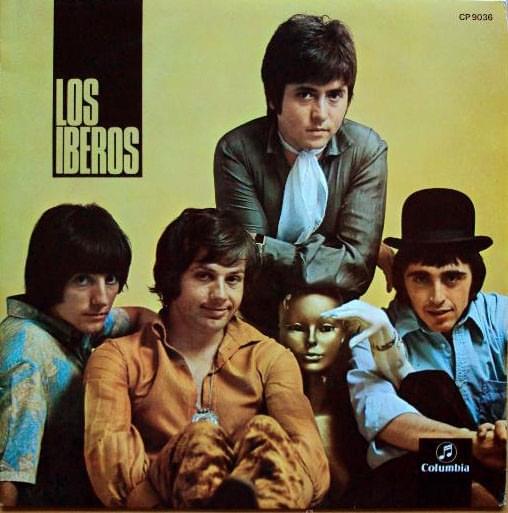
 View Artist