Song Meaning
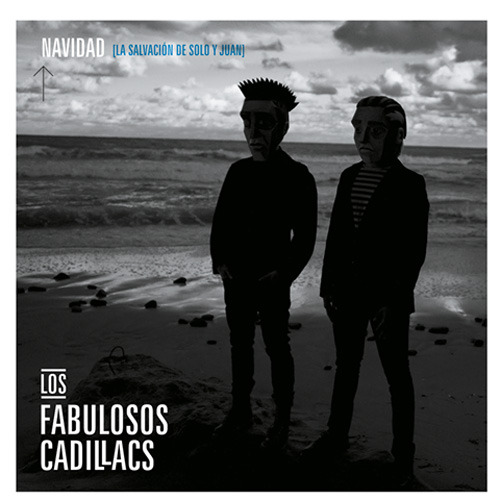
The lyrics paint a stark picture of isolation, particularly during what should be a time of connection: Christmas. "Solo y Juan frente al espejo" immediately sets a tone of introspection and loneliness, mirrored by the oppressive "silencio de su padre" which is vast and overwhelming, "como el mar." This isn't a festive scene; the table is empty of conversation, signifying a profound emotional void where "ya no hay nada, nada más."
The arrival of "la luz de navidad" is ironic, a visual contrast to the internal desolation. It's not a warm glow of togetherness but a "luz que es el final," a beacon that seems to mark an ending rather than a beginning. This light, though potentially frightening, is described as "pura," suggesting a stark, unadorned truth or perhaps a release from the pretense of their situation. The phrase "No tenemos miedo" feels like a desperate assertion against the overwhelming emptiness.
The introduction of "Don Averno" and the impending "tormenta" shifts the mood to one of foreboding and potential chaos. The narrator expresses a specific fear: "que te caigas / Cuando empieces a bailar," hinting at a precariousness in the other person's actions or a fear of them succumbing to the harsh reality. The repetition of "Solo y Juan frente al espejo" and the "luz que es el final" reinforces the cyclical nature of their solitude and the inescapable nature of this bleak Christmas.
What makes these lyrics resonate is their unflinching portrayal of disconnection against a backdrop of expected joy. The imagery of the sea-like silence and the finality of the Christmas light creates a powerful emotional dissonance. The craft lies in using the holiday setting not for warmth, but to amplify the coldness and the quiet desperation, making the emptiness feel even more profound.
 View Artist