Song Meaning
The lyrics open with a sharp rebuke to an attempt at control, immediately establishing a tension between individual will and external influence. A sense of time's relentless march quickly follows, suggesting a past struggle has yielded unexpected results. Then, the focus shifts to a woman, "Ella," observed dancing with a captivating blend of distance and intensity.
The core tension here lies between the futility of trying to control another's "voluntad a tu antojo" and the unstoppable flow of time. The speaker dismisses the controller's past assumptions, implying a significant period has passed where "El árbol ya creció." This growth now offers "sombra" and "frutos," suggesting that patience or natural progression has brought an unexpected, perhaps even beneficial, outcome despite the initial conflict.
The most striking craft element is the recurring observation of "Ella" and the evolving, yet contrasting, descriptions. She is initially "Tan lejana, tan intensa," then "Tan liviana, tan consciente," and finally "Tan trabada, haciendo el deber." This progression creates a nuanced portrait of someone navigating existence with a complex inner life, simultaneously free-spirited, aware, and perhaps burdened by obligation. The ambiguity of "trabada" – whether it implies being stuck, high, or working hard – adds layers to her character, making her deeply intriguing.
These lyrics are effective because they juxtapose personal defiance with universal forces, making individual struggles feel both significant and part of a larger, indifferent cosmic dance. The vivid imagery of the grown tree offering shade grounds the abstract idea of time's passage in something tangible and comforting. Furthermore, the powerful, almost defiant declaration that time "pulsará, cabrón" against the "olas del mar" and "universo su Big Bang" underscores a profound acceptance of life's unstoppable momentum, ultimately diminishing the initial attempt at control.
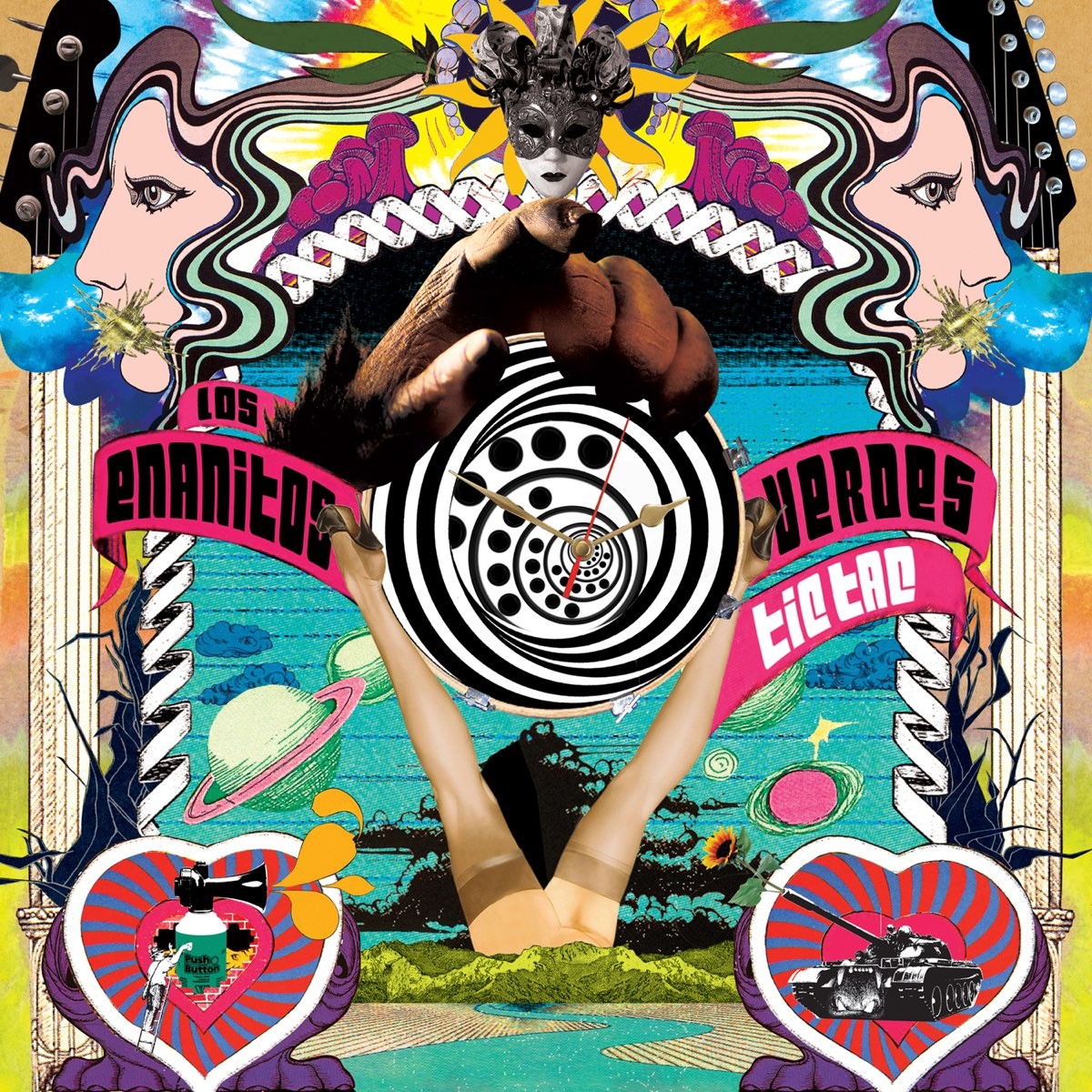
 View Artist