Song Meaning
The lyrics paint a picture of a modern individual, the "suburban man," who operates on a superficial level of reason and intellect. He believes he can solve problems with mere words, yet this facade crumbles with the slightest provocation, leading to impulsive, destructive actions. This suggests a disconnect between his perceived intelligence and his actual behavior, highlighting a volatile inner state beneath a veneer of sophistication.
The central tension lies in this man's apparent lack of depth and self-awareness. He's described as "a man without history, without time and without memory," implying a detachment from his past and a failure to learn from experience. This void allows for a reactive, almost unthinking, response to life, driven by a shallow sense of self that is "for sale." The lyrics imply this superficiality is a core flaw, leading to a predictable, unexamined existence.
The most striking aspect is the stark contrast between the man's self-perception and his reality. He "thinks he's already very smart" with his "way of being," yet the narrator observes his personality is "for sale" and his life is a mere "routine." This critique is sharp: the suburban man is so caught up in his own perceived cleverness and daily grind that he fails to recognize his own commodification and the ultimate ephemerality of his existence. The repetition of "without realizing" underscores this profound blindness.
Ultimately, the lyrics resonate because they tap into a critique of modern life where outward appearances and routine can mask an inner emptiness. The suburban man's journey, or rather his lack thereof, serves as a cautionary tale about living without genuine self-knowledge or historical context. His predictable, unexamined end, driven by a personality that's been "sold," is a powerful, if bleak, commentary on the potential consequences of such a life.
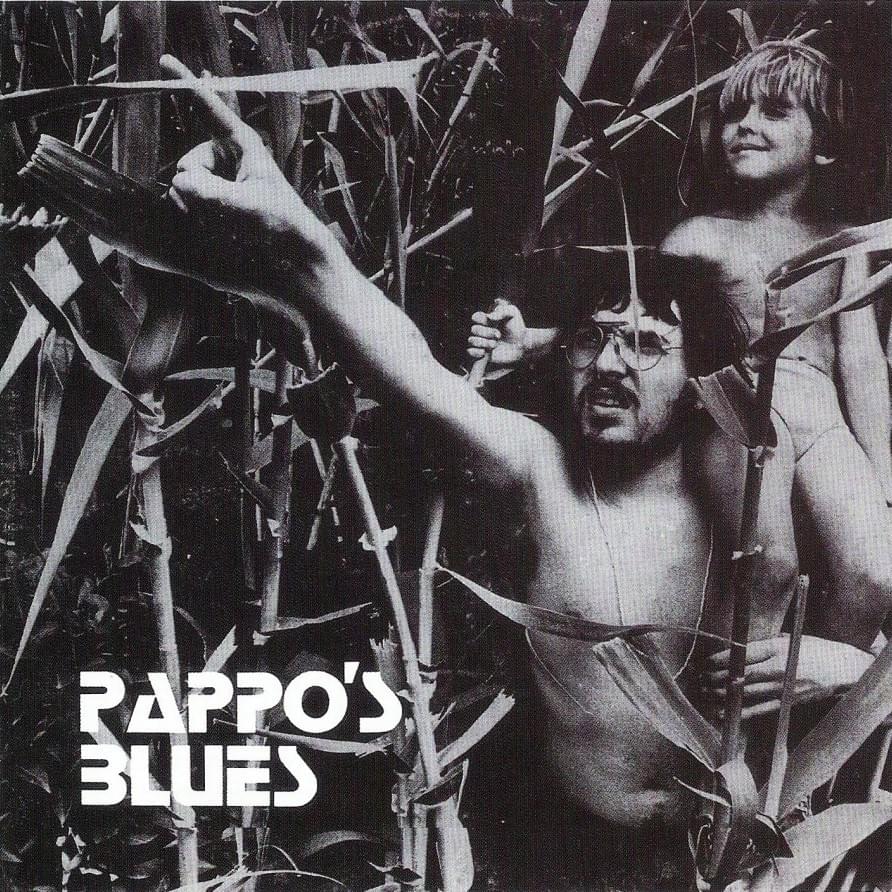
 View Artist