Song Meaning
The lyrics paint a stark picture of a world turned upside down, where everything feels "infiel" and people are "corren carearas al demonio." This sets a tone of widespread disillusionment and a loss of direction. The central image is a "gran sequía," a great drought, which is amplified by the repeated, almost desperate, refrain that "nadie quiere llover"—no one wants to rain. This suggests a collective refusal to bring relief or change, leaving everything a "desierto."
The core tension arises from this pervasive dryness and the narrator's yearning for something specific: "tu canción." This song represents a lost or absent source of guidance, comfort, or truth. The narrator repeatedly asks "donde va" and "donde esta," wanting desperately to hear it, implying it's the only thing that could possibly offer solace or direction in this barren landscape. The questions "Quien te ayuda / Quien te ignora" further highlight a sense of abandonment and uncertainty about who to trust or rely on.
The most striking aspect of the craft is the stark contrast between the overwhelming external "sequía" and "silencio" and the internal, almost singular, focus on finding "tu canción." The lyrics suggest that in a world where wisdom is absent ("No hay sabios de turno") and people are unwilling to offer relief, the only hope lies in this elusive song. The repeated plea to hear it, despite the surrounding desolation, underscores its profound importance to the narrator's survival or sanity.
This lyrical construction is effective because it taps into a feeling of profound societal or personal drought, where the usual sources of comfort or guidance have dried up. The intense focus on a single, almost abstract, desire – to hear a specific song – makes the narrator's predicament feel both deeply personal and universally resonant. It’s the raw, unadorned plea for a singular point of connection amidst widespread emptiness that makes these lyrics hit so hard.
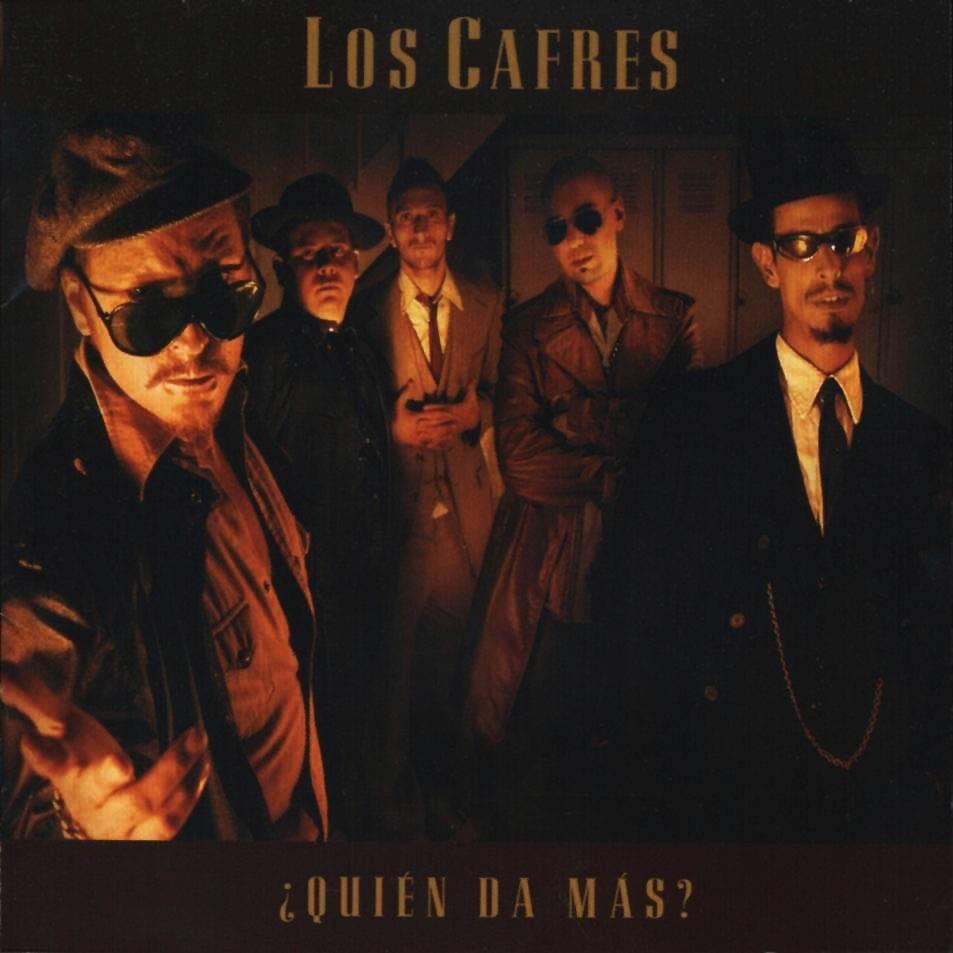
 View Artist