Song Meaning
The lyrics open with a vibrant declaration of contentment. The speaker lives in a "free country," loves a woman, and finds purpose in his creative work. This initial portrait paints a picture of a man deeply satisfied with his present circumstances, even feeling "gigante" in his happiness.
Yet, this seemingly straightforward joy carries subtle complexities. The love for the woman is "sin pedir nada / O casi nada," a quick, telling amendment that acknowledges a slight imperfection, then dismisses it as "no es lo mismo / Pero es igual." This small concession hints at a pragmatic happiness, one that consciously overlooks minor flaws for the sake of overall peace.
The most striking element arrives with the repeated plea: "Y quiero que me perdonen / Por este día / Los muertos de mi felicidad." This powerful, almost paradoxical image suggests that the speaker's current joy is not without its cost. It appears to be built upon past struggles, sacrifices, or perhaps even literal losses, implying a profound awareness that his good fortune might be painful or offensive to those who are not as fortunate, or to those who contributed to his present state. The request for forgiveness imbues his happiness with a heavy, almost melancholic weight.
Ultimately, these lyrics are effective because they refuse a simplistic view of joy. By blending declarations of profound happiness with a stark acknowledgment of its hidden costs, the writing makes the speaker's contentment feel earned and deeply human. It invites the listener to consider the unseen burdens and sacrifices that often underpin even the most genuine feelings of peace and fulfillment.
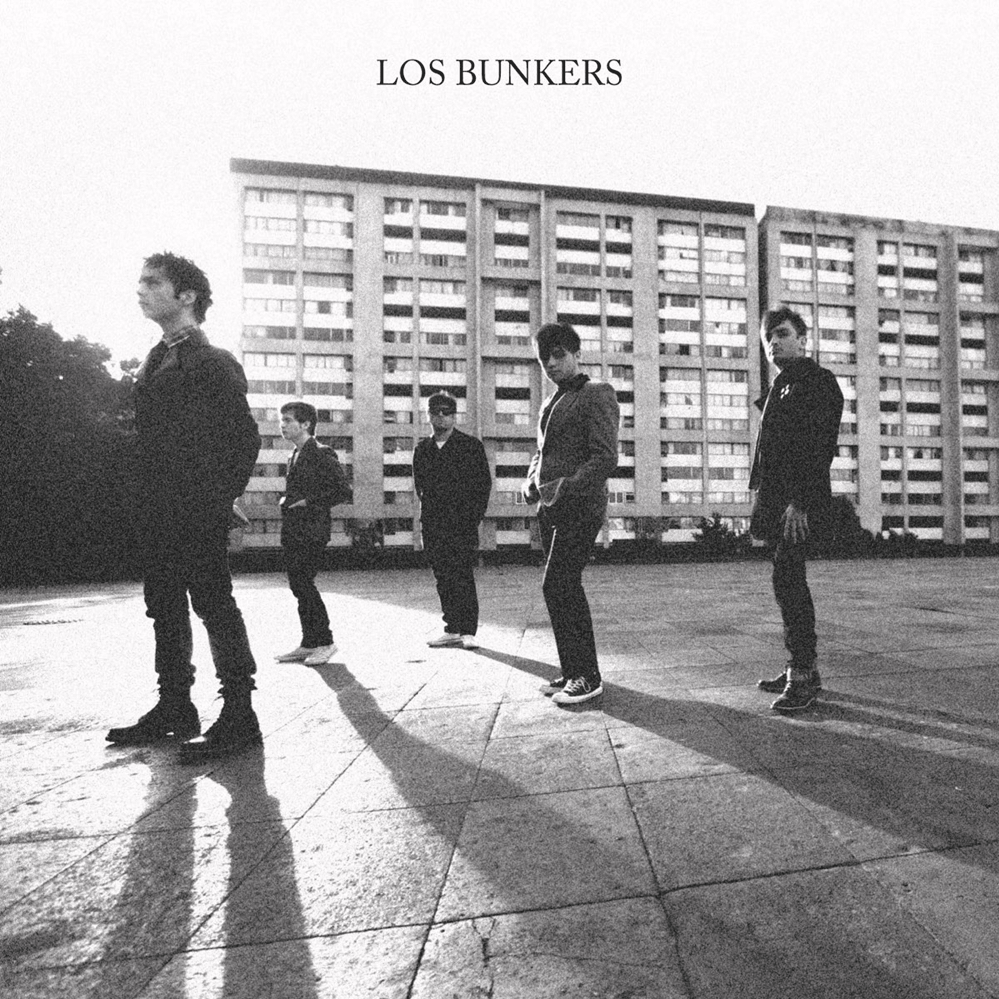
 View Artist