Song Meaning
The lyrics paint a stark picture of profound loneliness and despair following an absence. The narrator immediately establishes a sense of finality, stating, "Hoy que no estas a mi lado" (Today that you are not by my side), and presaging a permanent separation: "Presiento que jamás volveré a verte" (I sense I will never see you again). This absence triggers an "inmensa soledad" (immense loneliness) that feels all-consuming, leading to tears and the crushing feeling that life is "se esta acabando" (ending).
The central tension arises from the overwhelming nature of this grief. The narrator struggles to reconcile the depth of the past love, "Tanto era el amor que me tenias" (So much was the love you had for me), with the current reality of being alone. This love was so significant that accepting its loss and the resulting solitude is "difícil ver la realidad" (difficult to see the reality). The past love, rather than being a comfort, seems to amplify the present pain, making the loss feel absolute.
The most striking element is the relentless repetition of "Me siento solo, solo, solo" (I feel alone, alone, alone). This isn't just a statement of feeling; it's an incantation of isolation, emphasizing a loneliness unlike any experienced before: "Como no me había sentido / Como nunca me sentí" (As I had not felt / As I never felt). The phrase "Tu recuerdo es mi vivir" (Your memory is my living) further underscores this, suggesting that the narrator's existence is now solely sustained by the past, with "De mi vida nada queda" (Nothing remains of my life) highlighting the emptiness of the present.
These lyrics are effective because they bypass complex metaphors for a direct, visceral expression of loss. The simple, declarative sentences and the insistent repetition of "solo" create an almost suffocating atmosphere of despair. The contrast between the remembered intensity of love and the current void makes the narrator's pain feel palpable, capturing the raw, unadorned agony of profound separation.
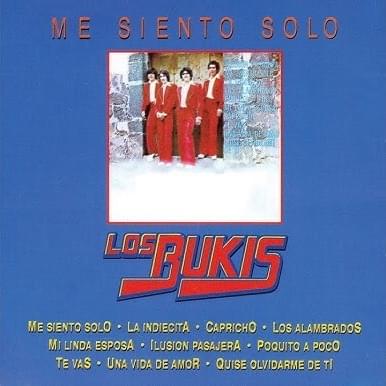
 View Artist