Song Meaning
The lyrics immediately plunge into a scene of quiet distress: a speaker observes a loved one's sadness, admitting "No sé Lo que te pasa" and a feeling of helplessness. This quickly pivots into an urgent request for open communication, aiming to dispel the other person's isolation. The central promise is clear: "Que no pienses Que estás sola."
A core emotional tension emerges from the speaker's initial confusion and a subtle anxiety. The question "Si has olvidado Ya mi querer" hints at a deeper fear—that the sadness stems from a perceived loss of affection, a personal slight. This vulnerability is quickly countered by a powerful declaration: "Sabes Que yo te quiero Y que no puedo Vivir sin tí," revealing a profound, almost dependent, attachment that drives their urgent desire to help.
The craft here hinges on repetition and framing. The emphatic "Sola, sola Nunca más" acts as a potent, almost mantra-like promise, directly confronting the perceived isolation. More subtly, the lyrics circle back to their beginning, repeating the opening lines about confusion and sadness. This structural choice suggests that while solutions are offered, the speaker's initial concern and the other person's underlying sadness remain a persistent, unresolved presence, underscoring an unwavering commitment rather than a quick fix.
These lyrics resonate through their raw, unvarnished sincerity. The speaker's willingness to admit "no sé que hacer" coupled with their fervent desire to "ayudarte" and "guiarte" creates a deeply empathetic portrait of unwavering support. It's the directness of the plea for "Sinceridad" and the powerful, repeated assurance against loneliness that makes the emotional impact so immediate and lasting, forging a connection built on honest care.
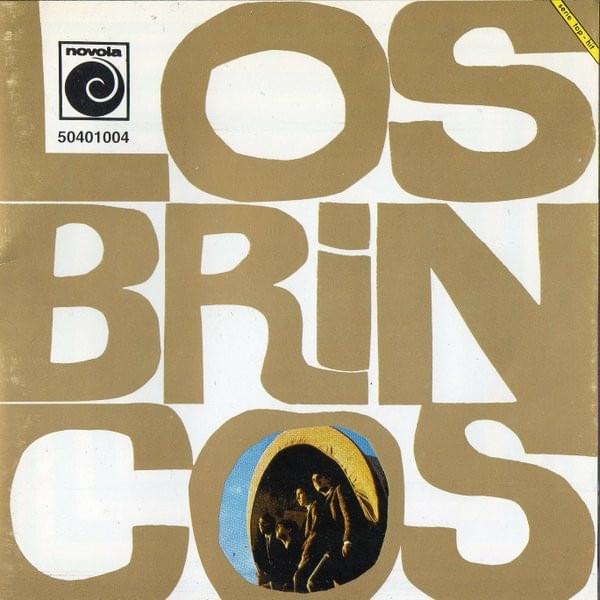
 View Artist