Song Meaning
The lyrics paint a scene of intense romantic possibility, where the narrator is caught between caution and overwhelming desire. The night itself is framed as a beautiful, almost musical, backdrop, but it's immediately undercut by a plea to the "foolish heart" to be wary. This sets up an immediate tension: the external beauty of the night contrasts with the internal, potentially dangerous, emotional state.
The central conflict arises from the difficulty in distinguishing genuine love from fleeting infatuation. The narrator acknowledges that both sensations can feel identical, especially in the heat of a passionate moment like a kiss. This ambiguity is the core of the narrator's struggle, as they grapple with the intensity of their feelings and the potential for disappointment if it's not true love.
The most striking craft element is the repeated, almost desperate, warning: "Beware my foolish heart." This refrain acts as an internal dialogue, a voice of reason trying to rein in an overwhelming impulse. The shift in Verse 3, from warning to a tentative embrace of the potential "fire start," shows the narrator succumbing to the moment, suggesting that the intensity of the present experience overrides the earlier caution.
Ultimately, the lyrics resonate because they capture that universal, exhilarating, and terrifying moment when desire feels so strong it must be real. The narrator's final declaration, "It's love, this time it's love," is a leap of faith, a hopeful surrender to an emotion that feels profound, even if the earlier verses highlighted the potential for self-deception. The power lies in the raw, immediate emotional honesty of that final, decisive statement.
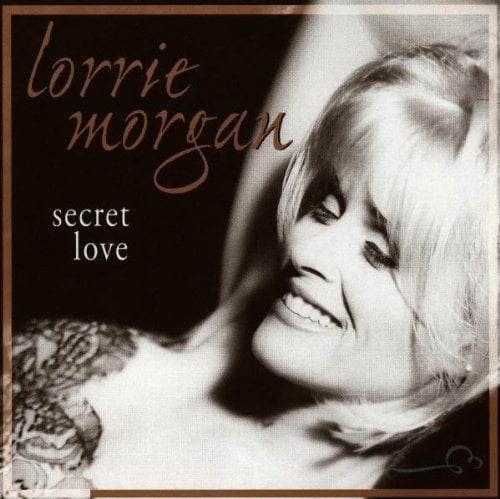
 View Artist