Song Meaning
The lyrics paint a stark picture of absence, using the metaphor of a 'blue snowfall' to convey a deep sense of melancholy. This isn't just about missing someone; it's about seeing the world through a lens of profound sadness, where even the act of looking is obscured by tears. The repetition of 'blue snowfall' anchors the listener in this pervasive feeling of loneliness and longing. The 'blue evening' further emphasizes the slow, drawn-out nature of these sorrowful moments.
The central tension arises from the narrator's isolation and the desperate hope that the absent person shares their feelings. The memory of a shared vow under a willow tree, where 'arms held you close,' sharply contrasts with the present reality of 'where are you now.' This juxtaposition highlights the pain of lost connection and the uncertainty of whether the other person even remembers or reciprocates the sentiment.
The most striking craft element is the persistent personification of the weather as 'blue.' This isn't just a description of a winter scene; it's an externalization of the narrator's internal state. The snow, typically a symbol of purity or quiet, is rendered as a visual manifestation of sorrow, bending the willow tree like the narrator's own spirit is bent by grief. The repeated question, 'And if you miss me too,' underscores the vulnerability and the gnawing doubt at the heart of the narrator's experience.
Ultimately, the effectiveness of these lyrics lies in their simple, direct emotional language and the powerful, consistent imagery. The 'blue snowfall' becomes a potent shorthand for heartbreak, making the narrator's pain palpable. The focus on sensory details—seeing through tear-filled eyes, the bending willow—grounds the abstract feeling of loss in concrete, relatable images, making the isolation feel intensely personal and deeply felt.
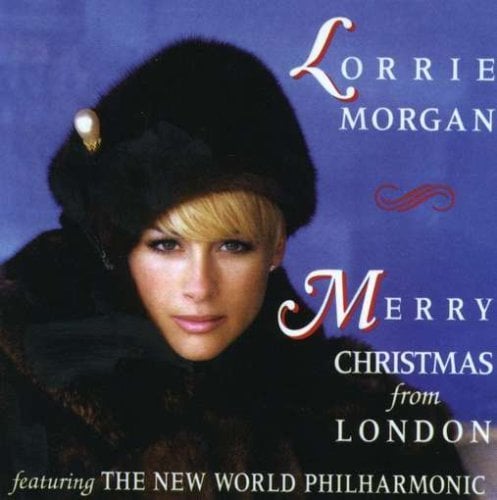
 View Artist