Song Meaning
The lyrics paint a picture of preserved memories, a collection of moments frozen in time. The opening verse immediately establishes a sense of static existence, with a girl "caught forever" and "kept from the air," like a photograph or an item pressed into a book. This sets a tone of stillness, where past experiences are not actively lived but rather observed and stored. The recurring question, "Isn't it amazing / This souvenir?" acts as a refrain, highlighting the peculiar nature of these preserved fragments of life.
The central tension lies in the contrast between the passive preservation of these memories and the active, often difficult, reality they represent. The "dried roses," "rooms we have lived in," and "boxes of paper" are tangible remnants of past relationships and experiences. Yet, the lyrics also hint at the darker undertones of memory, referencing a "scrap of paper" that states "the road to hell is paved / With good intentions." This suggests that even seemingly positive memories or beginnings can be tinged with regret or the weight of unintended consequences.
The most striking craft element is the repeated imagery of preservation and decay. The "dried roses" are a potent symbol of love or beauty that has faded but is still kept. The "girl kept from the air" and the "boxes of paper" evoke a sense of being entombed or archived. This juxtaposition of the desire to hold onto the past with the inherent impermanence and potential pain associated with it creates a complex emotional landscape. The bridge, with its "premonition," further deepens this by questioning which of these preserved items might hold a warning or foreboding about the future.
Ultimately, these lyrics resonate because they capture the bittersweet act of remembrance. The "souvenir" is not just a happy memento; it's a complex artifact holding joy, regret, and the quiet passage of time. The writing effectively uses concrete images to evoke a universal human tendency to collect and revisit fragments of our past, even when those fragments carry a sense of loss or unspoken trouble. The repeated chorus reinforces the idea that these collected items, despite their static nature, continue to hold a powerful, almost uncanny, significance.
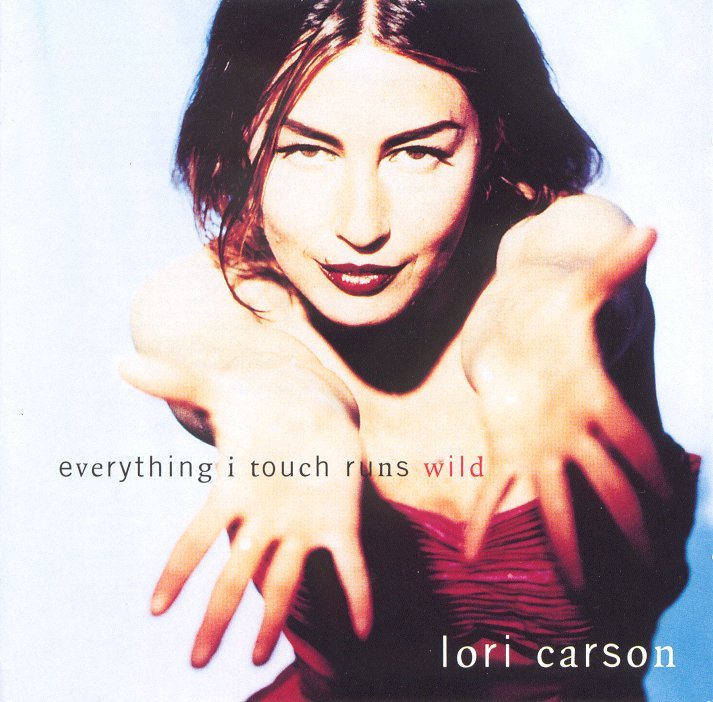
 View Artist