Song Meaning
Loretta Lynn's "You Can't Hold on to Love" is a masterclass in country fatalism, a clear-eyed lament for love's inevitable decay. Forget naive notions of eternal romance; Lynn, with her signature blend of vulnerability and grit, confronts the brutal truth that some things simply cannot be preserved. The song's brilliance lies in its extended metaphors, each a variation on the theme of impermanence. Sunlight fades, summer yields to winter, and moonlight cedes to dawn. These aren't just pretty images; they're psychological anchors, grounding the listener in the reality that clinging to what's past its prime is a futile, even destructive, act. The repeated line, "You can't hold on to love when it's over and gone" is not just the chorus; it's the thesis statement of a woman who's seen enough heartbreak to know better.
What elevates "You Can't Hold on to Love" beyond a simple breakup ballad is Lynn's unflinching self-awareness. She's not just a victim of circumstance; she's an active participant in recognizing the end. The lyrics, "You can't tell me you love me, if you did, you'd be lying / You can't hold on to my heart by leading me on" expose the charade of a relationship sustained by false promises and empty gestures. Lynn understands the difference between genuine affection and manipulative pretense. This understanding empowers her to reject the illusion, even if it means facing the pain of separation. The song avoids sentimentality by focusing on the concrete actions and behaviors that signal love's demise.
Ultimately, the song's meaning transcends romantic relationships. "You Can't Hold on to Love" speaks to the universal human struggle with impermanence. We all grapple with the fading of beauty, the passage of time, and the inevitable loss of what we hold dear. Lynn's genius is in framing this existential reality within the context of a broken heart, making it both deeply personal and universally relatable. The final verse, with its imagery of raindrops and heartaches, emphasizes the sheer overwhelming nature of loss. Some things simply cannot be quantified or contained. The only option, as Lynn suggests, is to accept the natural order of things and let go.
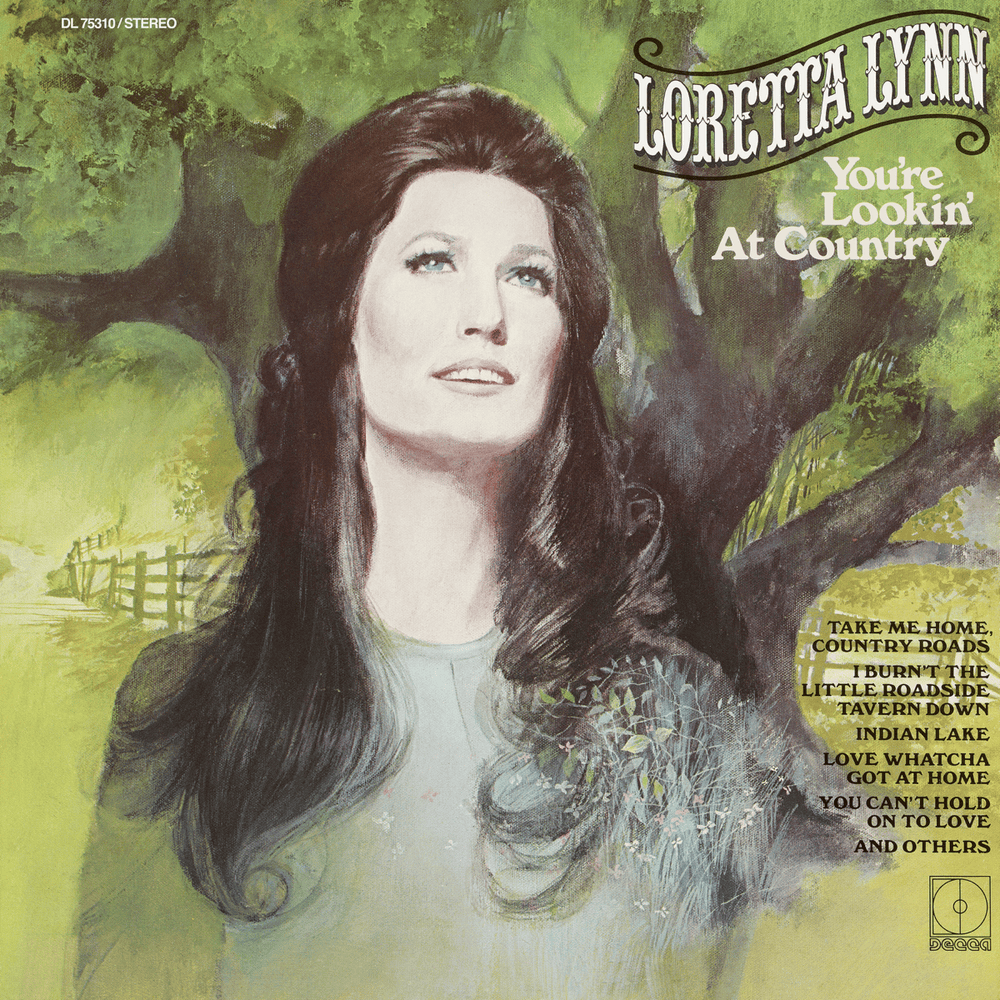
 View Artist