Song Meaning
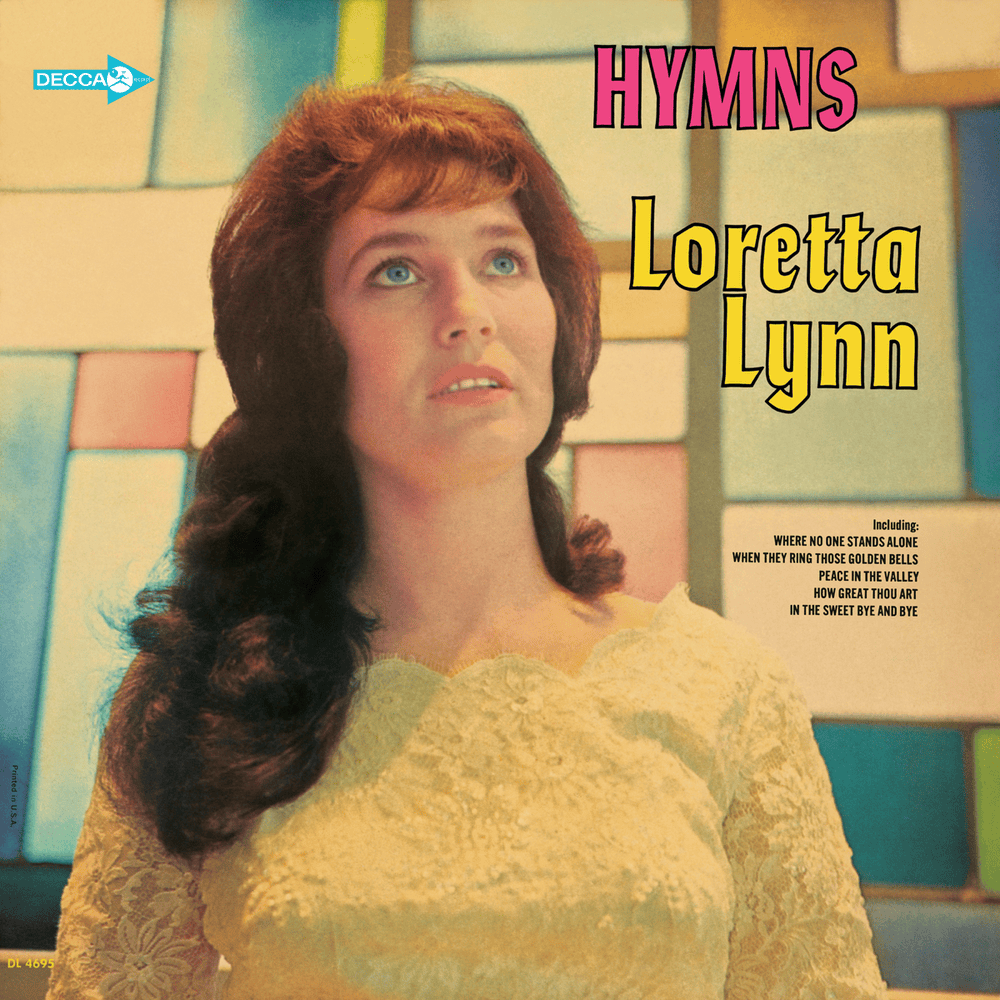
Loretta Lynn's "Where No One Stands Alone" isn't just gospel; it's a stark, affecting portrait of human vulnerability. Stripped of the usual countrypolitan flash, the song exposes a raw nerve: the primal fear of isolation. Lynn, a figure synonymous with resilience, paradoxically lays bare a dependence, a yearning for connection that transcends earthly strength. The opening lines paint a picture of utter desolation – "darkness as black as the sea," a heart crippled by fear. It's a disarmingly honest admission from a woman who built a career on defiance and self-reliance. The plea, "Oh Lord, don't hide your face from me," speaks to a profound spiritual loneliness, a sense of abandonment that cuts deeper than any heartbreak.
The chorus, a simple prayer for companionship, is the song's emotional core. "Hold my hand all the way… From here to the great unknown" is a direct, childlike request for reassurance. It acknowledges the inherent uncertainty of life, the terrifying prospect of navigating the world without guidance or support. The repeated line, "Where no one stands alone," becomes both a mantra and a desperate hope. It's a vision of a space, perhaps earthly, perhaps heavenly, where the burden of individuality is lifted, where shared experience and mutual support reign.
Beyond the explicitly religious context, "Where No One Stands Alone" taps into a universal human need. Lynn's brief consideration of earthly riches ("Like a king, I may live in a palace so tall") quickly dissolves into the stark realization that material wealth is meaningless in the face of solitude. This isn't just about religious faith; it's about the fundamental human longing for belonging, for a connection that transcends the isolating forces of ego and circumstance. In Lynn's hands, the song becomes a powerful reminder that even the strongest among us crave solace and that true strength often lies in admitting our need for others.
 View Artist