Song Meaning
Loretta Lynn's "When You're Poor" isn't just a song; it's a stark, unvarnished portrait of generational poverty, painted with the unflinching realism that defined much of her work. The track bypasses sentimental platitudes, instead offering a cyclical view of hardship where basic survival eclipses any aspiration for upward mobility. The opening lines, depicting a hungry baby and an empty cupboard, immediately establish a tone of desperate immediacy. It's a scene not of isolated misfortune, but systemic failure. The lyrics don't shy away from the psychological toll of this existence either. There's a palpable sense of frustration and resignation in the lines about being unable to afford school or 'fit the social fools.' It’s a quiet indictment of a system that perpetuates inequality, trapping individuals in a cycle of labor without reward. Lynn's genius lies in her ability to universalize this experience, making it resonate far beyond the specific circumstances depicted. It's not just about the lack of material wealth; it's about the erosion of hope and the constant struggle against a rigged game.
The song’s repetitive structure, with the recurring refrain 'But that's how it is when you're poor,' reinforces the feeling of inescapable drudgery. It’s a mantra of sorts, a weary acceptance of a fate seemingly predetermined. However, amidst the bleakness, there are glimmers of resilience. The line 'Don't have much money, but we've got a lotta time' hints at a resourcefulness born out of necessity, a finding of value in what little remains. This isn’t a romanticization of poverty, but rather a recognition of the human spirit's capacity to adapt and endure, even under the most crushing circumstances. It suggests that relationships and shared experiences become a currency when financial capital is absent. The line about 'spend[ing] time doing nothin' but tryin'' speaks volumes about the exhausting nature of simply existing in poverty.
Ultimately, "When You're Poor" transcends its immediate subject matter, becoming a broader commentary on the American Dream's broken promises. Loretta Lynn doesn't offer easy answers or comforting illusions. Instead, she presents a raw and honest depiction of a reality often ignored or romanticized, challenging listeners to confront the uncomfortable truths about inequality and the human cost of economic hardship. The song serves as a potent reminder that poverty is not merely a lack of resources, but a complex web of social, psychological, and systemic barriers that demand more than just individual effort to overcome.
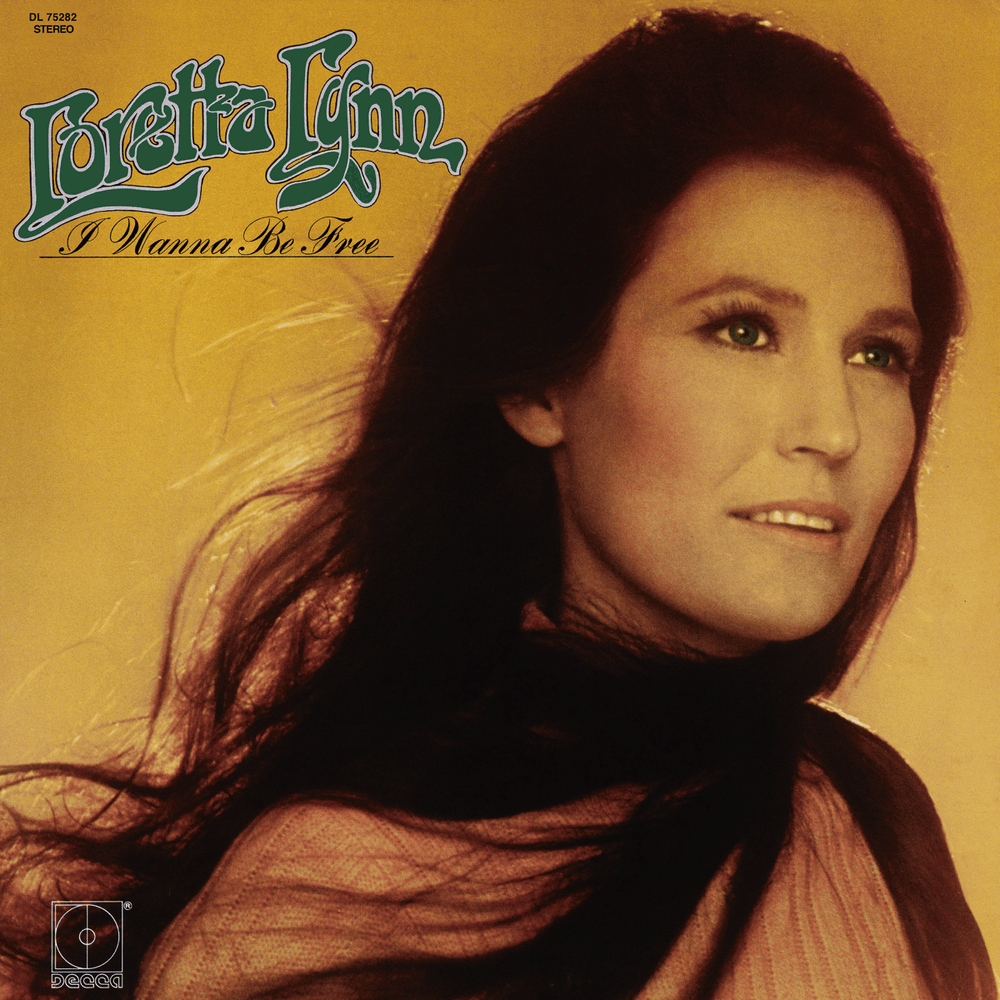
 View Artist