Song Meaning
Loretta Lynn's "Too Wild to Be Tamed" isn't just a country song; it's a primal scream from a soul rejecting domesticity's cage. The lyrics paint a portrait of a woman whose very essence rebels against the constraints of traditional marriage and societal expectations. This isn't a simple case of wanderlust; it's a fundamental incompatibility with a settled, conventional life. The recurring line, "I'm wild, I'm too wild to be tamed," becomes a defiant mantra, a declaration of independence rooted in her very being. She's not choosing to be wild; she *is* wild. Attempts to confine her are futile, a violation of her intrinsic nature. The "wild blood" that flows through her veins is not a choice, but an immutable part of her identity. This speaks to a deep-seated psychological resistance to control, a need for autonomy that overrides all other considerations. This song's meaning is a timeless anthem for anyone who feels suffocated by societal norms and expectations.
Lynn cleverly utilizes natural imagery to reinforce this theme of untamable spirit. The river flowing, the wind as kin, and the eagle soaring high all symbolize freedom and a connection to something larger than oneself. The eagle, especially, with its untamed blood and refusal to befriend any man, serves as a powerful metaphor for the singer's own isolation and self-reliance. The stark acknowledgement that "death is my end" further emphasizes the fleeting nature of life and the urgency to live authentically, even if it means defying convention. There's an undercurrent of existentialism here, a recognition that life is short and one must remain true to their nature to avoid a life unlived.
The phrase "a girl without name" suggests a rejection of identity imposed by others, a desire to define herself on her own terms. She's not just rejecting a specific relationship; she's rejecting the entire framework of patriarchal control and the limitations placed upon women. This can be viewed through the lens of feminist psychology, where the desire for self-determination and resistance to societal expectations are central themes. "Too Wild to Be Tamed" becomes more than just a personal statement; it evolves into a broader commentary on the struggle for female autonomy and the courage to defy societal norms in pursuit of authentic self-expression. The restless spirit she embodies is a powerful and enduring symbol of rebellion.
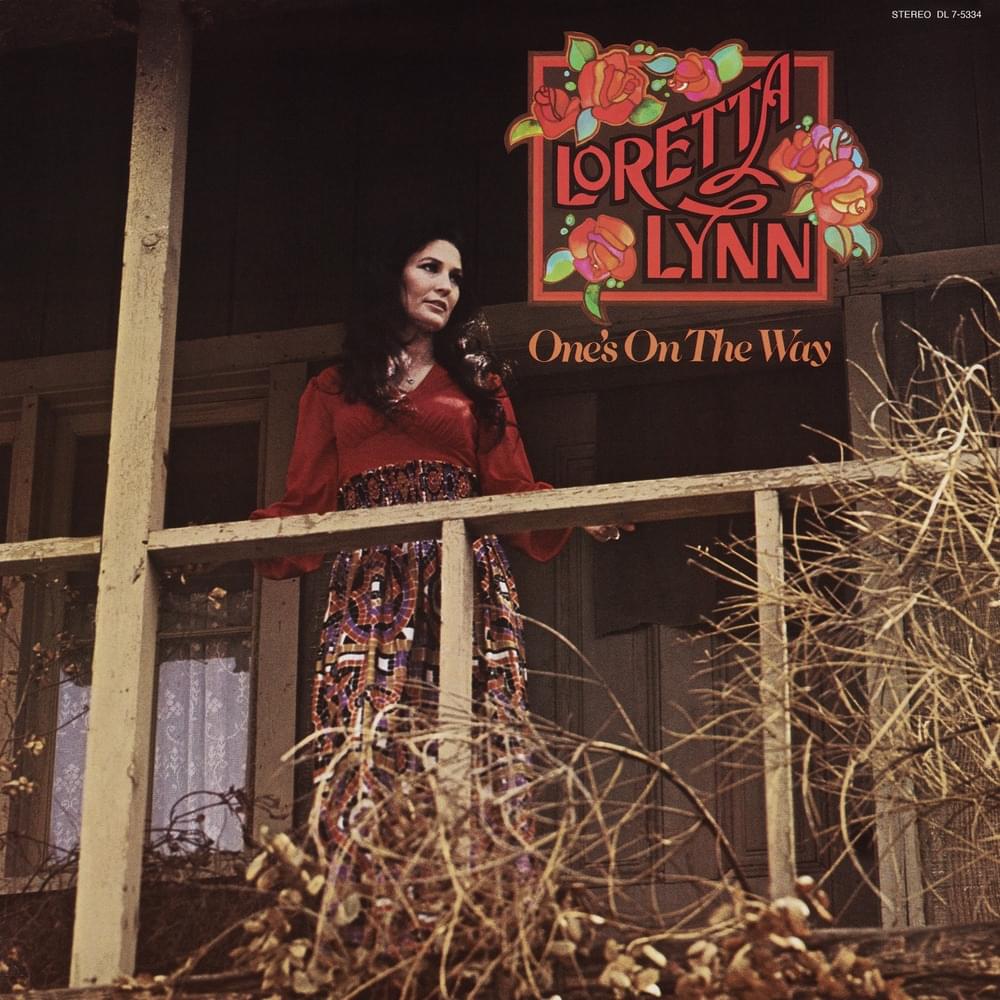
 View Artist