Song Meaning
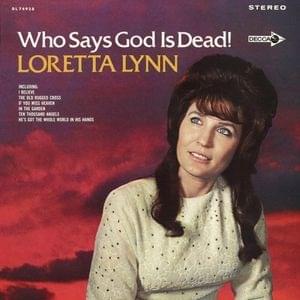
Loretta Lynn's rendition of "The Old Rugged Cross" isn't just a hymn; it's a stark, intimate portrait of faith as both solace and a transaction. The central image, the cross itself, is stripped of any romanticism. It's "old," "rugged," an "emblem of suffering and shame." Yet, within this brutal honesty lies its allure. Lynn's delivery, unadorned and direct, avoids sentimentality, instead focusing on the personal connection forged through shared pain. The lyrics aren't about abstract theology; they're about a visceral, almost tactile relationship with sacrifice. The cross becomes a focal point for understanding the weight of sin and the magnitude of redemption. It is a symbol of the burden Christ bore and the promise of salvation for humanity, especially "a world of lost sinners."
What elevates this beyond a simple declaration of belief is the undercurrent of exchange. "I will cling to the old rugged cross / And exchange it some day for a crown." This isn't blind devotion; it's a calculated investment in the afterlife. Lynn's commitment isn't just about love; it's about a future reward, a transaction where earthly suffering is traded for heavenly glory. The "trophies" she lays down suggest a life lived in service, but also a life measured by its accomplishments within a religious framework. This duality—the genuine embrace of suffering and the expectation of future reward—is at the heart of the song's enduring appeal.
Ultimately, Loretta Lynn's interpretation of "The Old Rugged Cross" resonates because it doesn't shy away from the complexities of faith. It acknowledges the harsh realities of life, the weight of sin, and the very human desire for redemption. By framing faith as both a burden and a promise, Lynn offers a powerful and deeply personal testament to the enduring strength found in belief. The song becomes a meditation on the nature of sacrifice, the hope of salvation, and the profound connection between earthly suffering and the promise of eternal reward, even as it acknowledges the transactional nature inherent in religious devotion. The 'wondrous attraction' isn't just spiritual, it's psychological.
 View Artist