Song Meaning
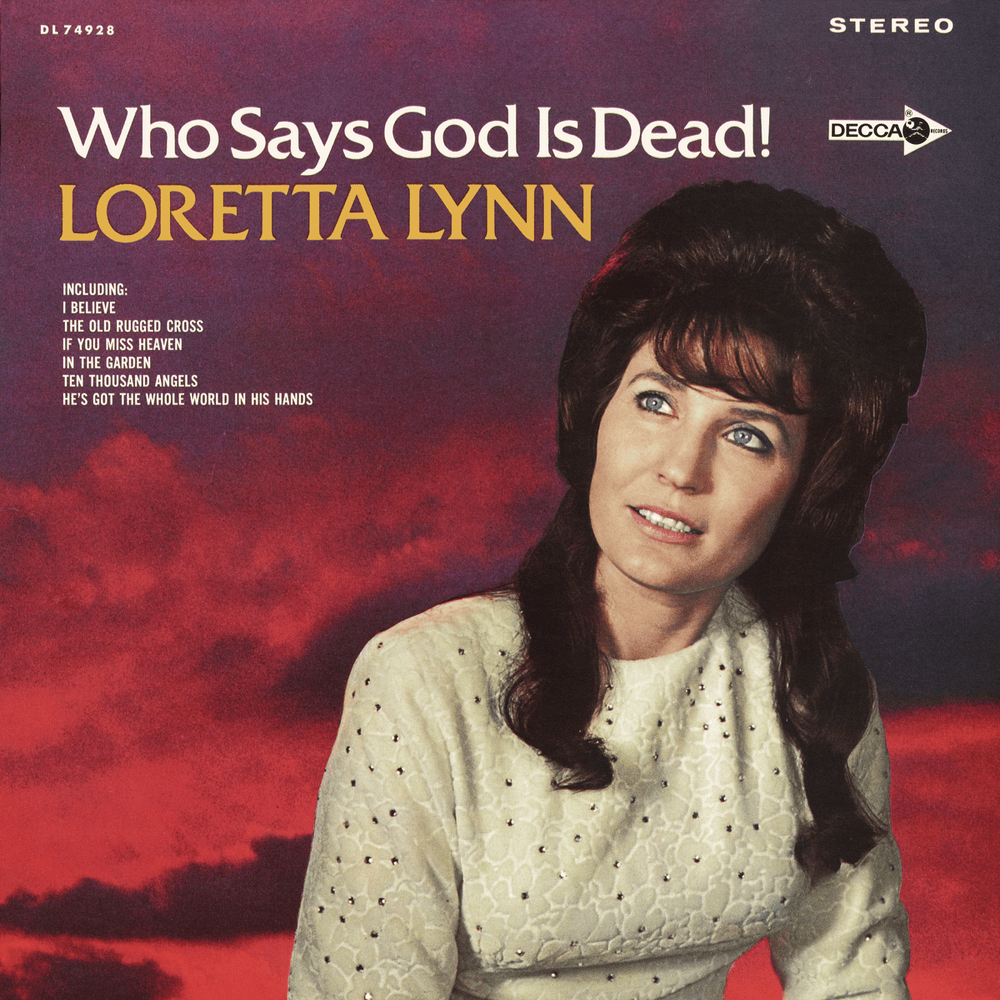
Loretta Lynn's rendition of "Ten Thousand Angels" isn't just a gospel hymn; it's a masterclass in controlled emotional power. The song pivots on the central image of Jesus's immense, untapped power versus his deliberate choice of self-sacrifice. The lyrics paint a brutal scene: betrayal, mockery, physical abuse. But it's the quiet, almost understated, refrain – "He could have called ten thousand angels / To destroy the world and set him free" – that cracks the song open. It's a moment of unbearable tension, a held breath before the inevitable exhale of grace. The song meaning resides not just in the Passion narrative, but in the agonizing choice at its heart.
Lynn's delivery amplifies this tension. There's a stoicism in her voice, a refusal to overdramatize the already devastating events. This isn't a theatrical lament; it's a stark recounting of a sacrifice freely given. The song's brilliance lies in its understanding of restraint. The image of "ten thousand angels" isn't a boast of divine might, but a measure of the immensity of what was given up. It's a portrait of power sublimated into love, a force so great it could level the world, yet chose instead to redeem it. This is not an easy sentiment to pull off without descending into sentimentality, but Lynn's performance has that core of American grit and solemnity that makes the song feel both timeless and deeply personal.
Ultimately, "Ten Thousand Angels" is a potent reminder of the paradoxical nature of faith: that true strength often lies in surrender. The lyrics analysis reveals a profound meditation on choice, power, and the bewildering, transformative nature of love. The song dares to ask: what kind of power chooses vulnerability? What kind of king chooses to die for his people? The answer, whispered in Lynn's unwavering voice, is both unsettling and profoundly hopeful.
 View Artist