Song Meaning
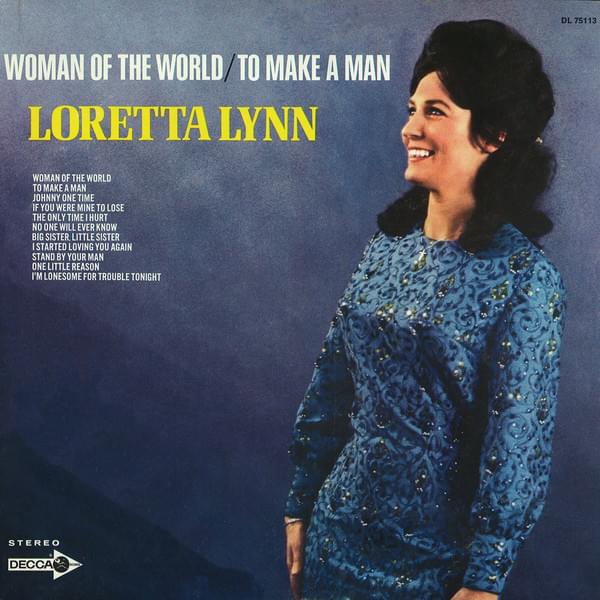
Loretta Lynn, the coal miner's daughter who became a queen of country, never shied away from the harsh realities of life and love. In "One Little Reason," she navigates the complex terrain of a troubled marriage, a space familiar to many of her listeners. The song isn't a tale of explosive drama, but a quiet, internal struggle, a portrait of a woman caught between despair and devotion. Lynn lays bare the contradiction: "everybody thinks we're happy, but we're not." This opening admission serves as a stark reminder of the masks we wear and the secrets we keep, even within the most intimate relationships. The question isn't whether the marriage is broken, but why she endures it. The answer, as the title suggests, lies in "one little reason."
That reason, of course, is her child. The lyrics paint a vivid picture of motherhood: "little handprints on the wall, little footsteps in the hall." These everyday details become monumental, anchoring her to a life that might otherwise feel unbearable. The child's innocent love, expressed in the simple phrase, "I love you so, my mommy," becomes a lifeline. It's a love that transcends the marital discord, offering a sense of purpose and meaning. Lynn suggests a future where her daughter will grow up, and she will be free. This is a glimmer of hope, a promise of a future where her "one little reason" will evolve into a catalyst for liberation.
"One Little Reason" operates on multiple levels. It's a song about sacrifice, about the choices women often make for their children. It’s also a subtle commentary on the societal pressures that keep women in unhappy marriages. The "dyin' slow" feeling suggests a deep emotional toll, a gradual erosion of the self. Yet, Lynn avoids outright victimhood. Instead, she presents a nuanced portrait of a woman finding strength in the face of adversity, clinging to the profound connection with her child as a source of resilience and a reason to keep going, even when the road ahead seems bleak. It's a testament to the enduring power of maternal love, a theme that resonates deeply within Lynn's body of work and continues to speak to the complexities of the human heart.
 View Artist