Song Meaning
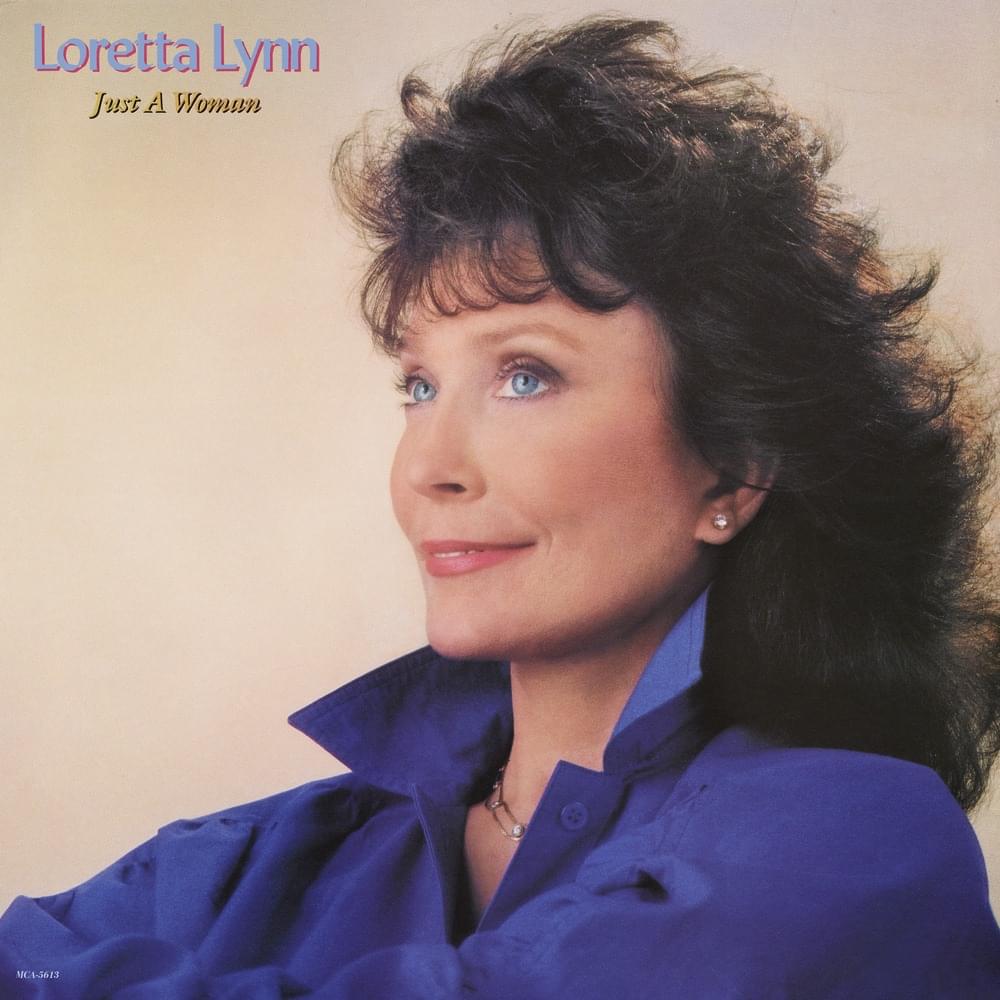
Loretta Lynn, a titan of country music, cuts straight to the bone with "Just a Woman," a raw and vulnerable exploration of female identity and desire within the often-unequal power dynamics of romantic relationships. The song isn't a declarative feminist anthem, but something far more subtle and psychologically astute: a woman's whispered plea for recognition beyond mere physical presence. Lynn uses deceptively simple language to dissect the insecurities that plague women navigating intimacy, constantly questioning the authenticity of a partner's affection. The repeated questioning, "Is it me you're talking to or just a woman?" acts as a haunting refrain, underscoring the fear of being seen as interchangeable, a placeholder in someone else's life rather than a unique individual worthy of genuine connection.
The lyrics operate on multiple levels of doubt. Is the affection fueled by genuine emotion or the fleeting influence of "whiskey"? Is there a long-term commitment being offered, or simply a temporary need being fulfilled? The song's power lies in its refusal to provide easy answers. Lynn doesn't rage against the perceived injustice; instead, she exposes the quiet desperation of a woman yearning to be truly seen and valued. The bridge, with its direct questioning – "Do you want my heart, my hands, my love? Or am I just a woman's touch?" – distills this anxiety to its purest form. It's a stark choice between authentic love and mere physical gratification.
"Just a Woman" resonates because it taps into a universal fear: the fear of being objectified, of having one's identity reduced to a set of physical attributes or a temporary convenience. Loretta Lynn, with her signature blend of vulnerability and strength, transforms this personal anxiety into a powerful statement about the search for authentic connection in a world often defined by superficiality. The song's brilliance lies not in its complexity, but in its unflinching honesty and its ability to articulate a deeply human experience with remarkable clarity. It's a reminder that beneath the surface of every encounter lies a complex web of emotions, desires, and the ever-present question of whether we are truly seen for who we are.
 View Artist