Song Meaning
{"song_id": 12793577, "meaning": "Loretta Lynn's \"I'm One Man's Woman\" is a masterclass in country music fatalism, dissecting the agonizing paradox of loving someone who is fundamentally incapable of fidelity. The song meaning isn't just about infidelity; it’s about the psychological tightrope walk of a woman who chooses to define herself by a love that diminishes her. Lynn doesn't shy away from the raw truth: she's aware of her partner's wandering eye, acknowledging that \"you're any woman's man.\" But the emotional core lies in her stubborn, almost defiant commitment to remaining \"one man's woman.\" This isn't presented as a victory, but rather a tragic, self-imposed constraint. She admits her love has made her a fool.
The brilliance of the lyrics lies in their unflinching honesty about the internal conflict. There's a flicker of rebellion in the line about not letting his behavior change her \"into somethin' I can't stand,\" suggesting a fear of becoming bitter or vengeful. This hints at a deeper understanding of the self, a desire to maintain integrity even within a destructive relationship. She briefly considers revenge, but dismisses it, suggesting that love is blinding her to other possibilities. Her love is also a choice to stay within the familiar boundaries of the relationship, rather than strike out into the unknown.
Ultimately, \"I'm One Man's Woman\" resonates because it captures a universal, if uncomfortable, truth about love and self-worth. Lynn portrays a woman grappling with the knowledge that her love is not reciprocated in kind, yet clinging to it nonetheless. The song's power isn't in offering solutions or judging the protagonist's choices, but in presenting a stark, unvarnished portrait of emotional dependency and the complex calculus of the human heart. The genius is in the simple repetition of the title line, underscoring the unwavering dedication alongside the painful awareness of its futility. This Loretta Lynn song analysis reveals a woman caught in a trap of her own making, choosing a familiar pain over the uncertainty of freedom."}
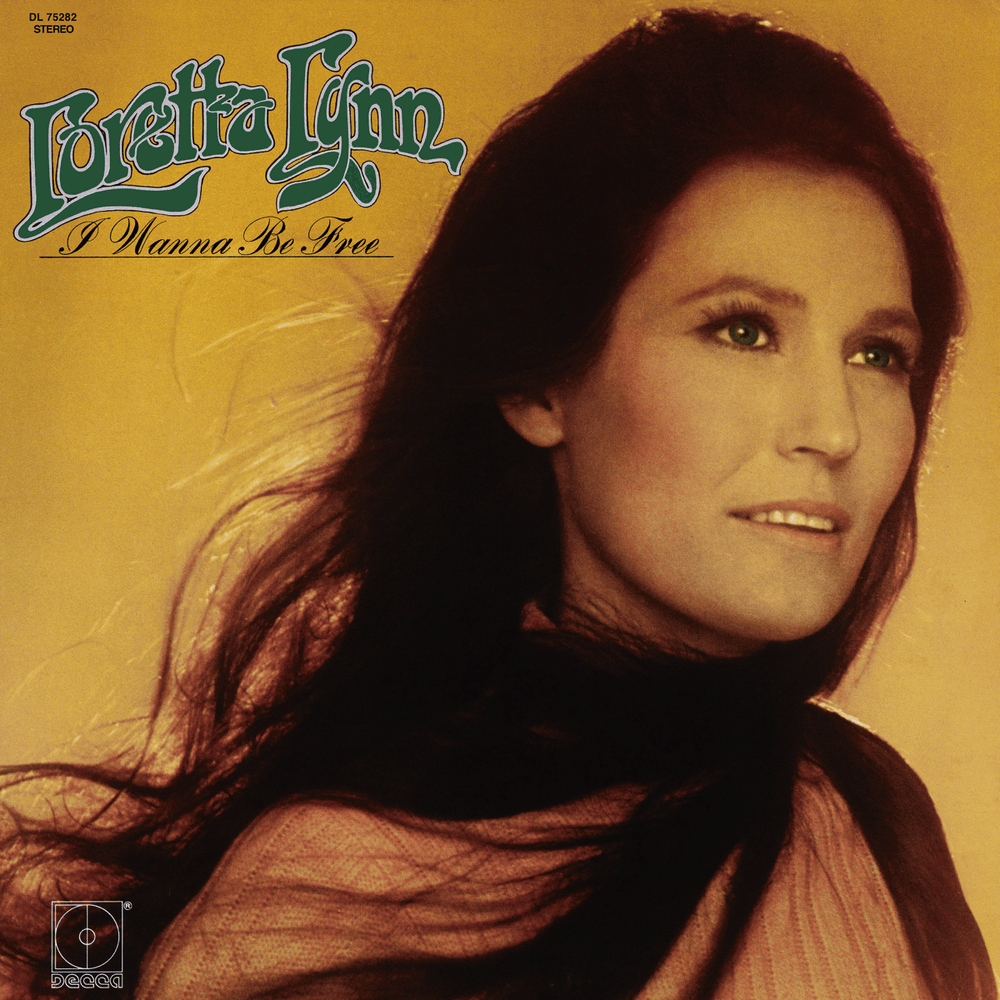
 View Artist