Song Meaning
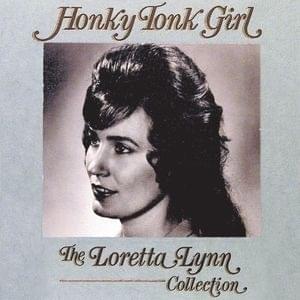
{"song_id": 12797018, "meaning": "Loretta Lynn's \"I'm a Honky Tonk Girl\" isn't just a country lament; it's a stark portrait of female grief and societal judgment in the aftermath of heartbreak. The song meaning revolves around a woman's descent into the honky-tonk lifestyle after being abandoned by her lover. The opening lines immediately establish a sense of irreversible damage: \"Ever since you left me, I've done nothing but wrong.\" This isn't simply sadness; it’s a self-destructive spiral fueled by loss and, implicitly, shame. Lynn isn't asking for pity; she's laying bare the consequences of a world where a woman's worth is often tied to her relationship status.
The repeated plea to \"turn that jukebox way up high / And fill my glass up while I cry\" isn't just about drowning sorrows. It's a defiant act of self-medication and public display of pain. The honky-tonk becomes a refuge, a place where her misery, though palpable, is at least acknowledged, even amplified, by the music and the shared atmosphere of despair. There's a potent contrast between the vulnerability expressed in the verses and the almost aggressive demand for oblivion in the chorus. She's not just sad; she's actively choosing to inhabit her sadness, to wear the label of \"honky tonk girl\" as a badge of honor and a warning sign.
Ultimately, \"I'm a Honky Tonk Girl\" serves as a cultural commentary, subtly critiquing the limited options afforded to women in the face of emotional devastation. The lyrics analysis reveals a woman trapped between societal expectations and her own raw, unfiltered emotions. The line \"losing him has made a fool of me\" speaks volumes. It's not just the loss of love that's painful, but the accompanying loss of dignity and social standing. The song becomes a powerful, if bleak, assertion of female agency within a patriarchal framework, a woman owning her narrative, even if that narrative is steeped in sorrow and self-destruction."}
 View Artist