Song Meaning
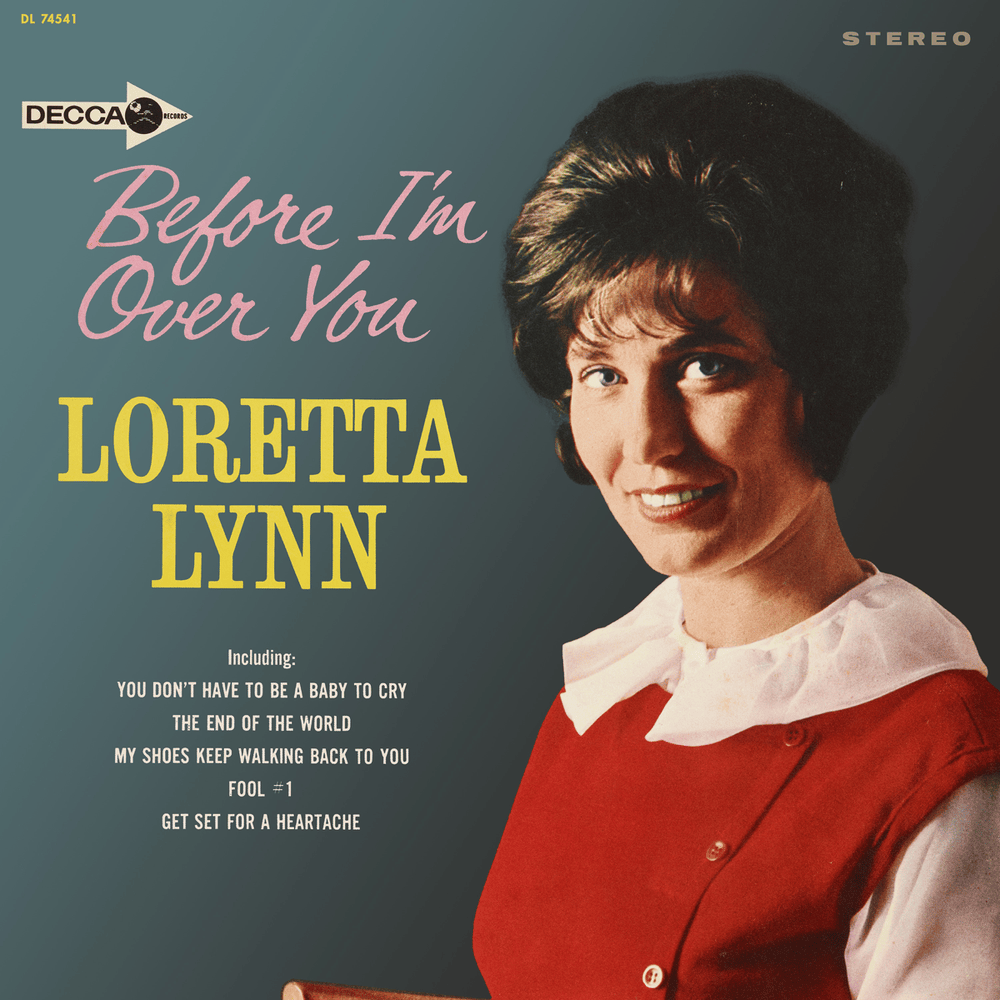
Loretta Lynn doesn’t just sing about heartbreak; she dissects the peculiar psychology of romantic self-deception. In "Fool #1," Lynn transforms a tale of infidelity into a stark examination of vulnerability and the lengths to which one will go to maintain a connection, even when bathed in the harsh light of betrayal. The central question posed in the chorus – "Am I fool #1, or am I fool #2?" – isn't a plea for validation, but a rhetorical acknowledgement of shared suffering. It's less about ranking victims and more about recognizing the universality of being duped. The genius of Lynn's delivery lies in the weary resignation, hinting that such deception is an inevitable part of the human experience, especially for women navigating a world of unequal power dynamics.
The lyrics analysis reveals a complex character, one simultaneously aware of her foolishness and stubbornly attached to it. The verse, "If I had the chance, I guess I'd do it all again," isn't mere masochism; it's a declaration of agency, twisted as it may be. There's a perverse empowerment in knowingly walking the same destructive path. It suggests that the fleeting moments of joy or connection experienced within the relationship, however tainted by dishonesty, outweigh the inevitable pain. Lynn doesn't portray the speaker as a simple victim but as someone making a deliberate, if self-destructive, choice.
Ultimately, the song meaning of "Fool #1" resonates because it taps into a deep-seated human tendency to cling to hope even in the face of overwhelming evidence. It’s a portrait of a woman choosing to define her own reality, even if that reality is built on a foundation of lies. The song's brilliance resides in its refusal to offer easy answers or moral judgments. Instead, Loretta Lynn leaves us to grapple with the uncomfortable truth: sometimes, the biggest fools are those who choose to be, finding a strange sort of power in their own vulnerability.
 View Artist