Song Meaning
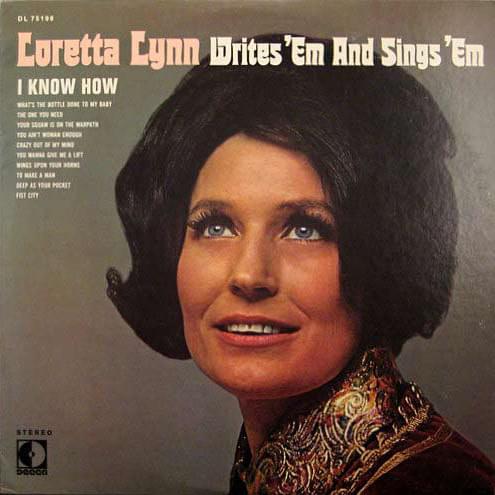
Loretta Lynn's "Crazy Out of My Mind" isn't just a song; it's a raw, unflinching portrait of a woman teetering on the edge. The opening lines immediately plunge us into a disorienting space "where I don't know my name," a potent metaphor for the obliteration of self that often accompanies profound heartbreak. Lynn doesn't shy away from the stark reality of loneliness and the very real threat of mental unraveling. She lays bare the emotional wreckage left behind by a departing lover, clutching at "the little pieces of me he left behind" as if they were lifelines in a sea of despair. The repeated refrain, "Got no place to go but crazy out of my mind," isn't a boast or a threat; it's a desolate admission of a spirit with nowhere left to turn.
The song's power lies in its simplicity and brutal honesty. There's no attempt to sugarcoat the pain or offer false hope. The lyrics speak of a mind that "just don't work right" after witnessing the departure of a loved one. This isn't just sadness; it's a fundamental disruption of cognitive function, a chilling depiction of how heartbreak can literally scramble the brain. The line "What a little sence left in me I'll leave here in this wine" is particularly devastating, suggesting a surrender to oblivion, a deliberate numbing of the remaining shreds of reason.
Ultimately, "Crazy Out of My Mind" resonates because it taps into a universal fear: the fear of losing oneself in the face of overwhelming emotional trauma. Lynn’s performance, presumably delivered with her signature blend of vulnerability and strength, transforms the song into more than just a country lament. It becomes a harrowing, yet strangely cathartic, exploration of the dark corners of the human heart and the precariousness of sanity when confronted with the abyss of lost love. The song's impact lies not just in the lyrics themselves, but in the unspoken understanding that this kind of pain, this kind of near-madness, is a shared human experience.
 View Artist