Song Meaning
Under the gentle glow of the moon, a hidden world awakens. As human activity stills and birds sleep, unseen lanterns guide a secret gathering. Fairies leave their "keep" to join hands and sing, their songs unheard by any mortal ear. It's a quiet, mystical ritual tied to the renewal of spring.
The core tension here lies in the exquisite secrecy of this nocturnal ballet. While the "moon comes out to shine her face" and lanterns hang, suggesting a world we can perceive, the fairies' actions are deliberately veiled. Their songs are those "that nary a soul can hear," establishing a clear boundary between the mundane and the magical. This creates a wistful longing for a beauty just beyond reach, a world happening right beside us that remains profoundly private.
The lyrics masterfully build this ethereal atmosphere through specific imagery and a compelling ambiguity. The moon "shine[s] her face," personifying the night sky as a gentle observer. But the most intriguing element is the repeated phrase, "To the fairies they draw near." This isn't a simple statement of proximity; its inverted structure makes "they" feel less like an external entity and more like an inherent pull or a force of nature itself. It suggests that in the "springtime when the earth is new," a natural, almost magnetic force connects to the fairy realm, perhaps the very essence of renewal itself.
Ultimately, these lyrics are effective because they tap into a primal human fascination with the unseen and the magical. By grounding the fairies' emergence in natural cycles – the moon, sleeping birds, and the "earth is new" – the text makes this secret world feel both fantastical and deeply organic. It evokes a quiet wonder, painting a vivid picture of a beautiful, communal ritual that exists just beyond the veil of our everyday perception, leaving the listener with a lingering sense of enchantment.
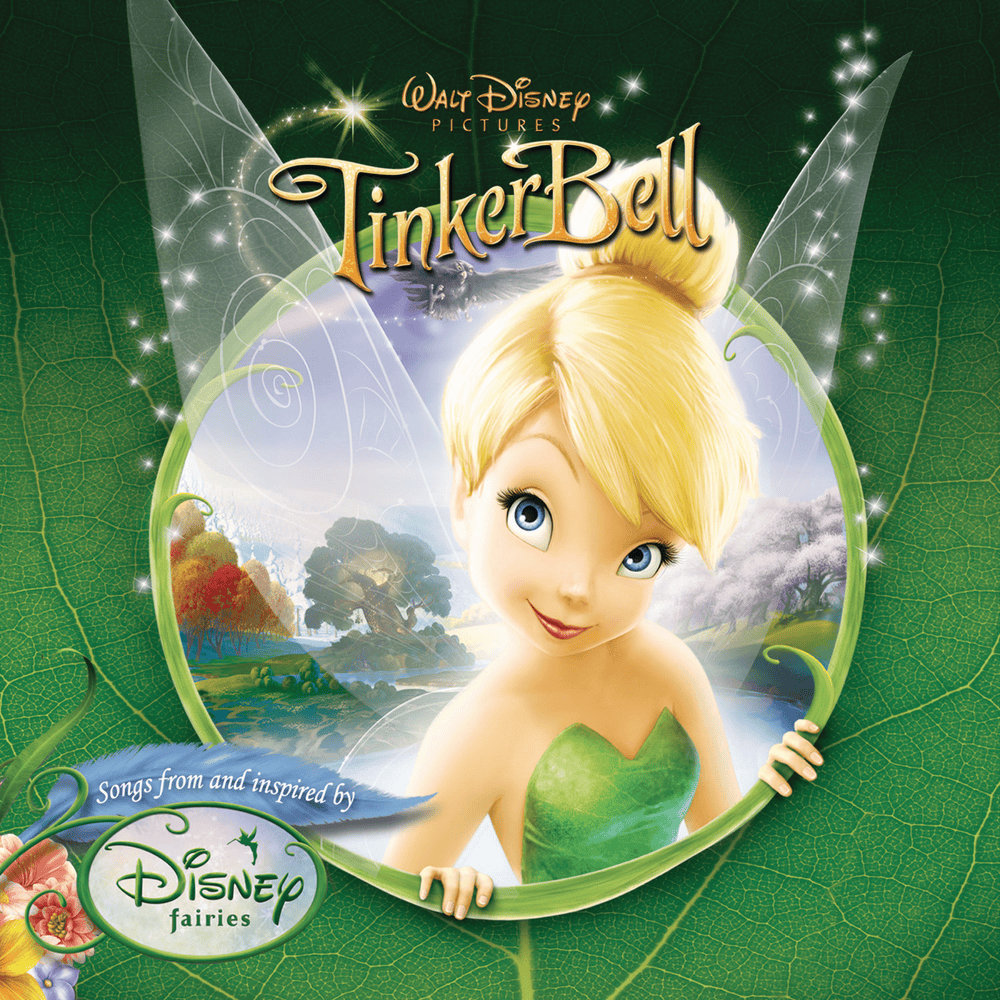
 View Artist