Song Meaning
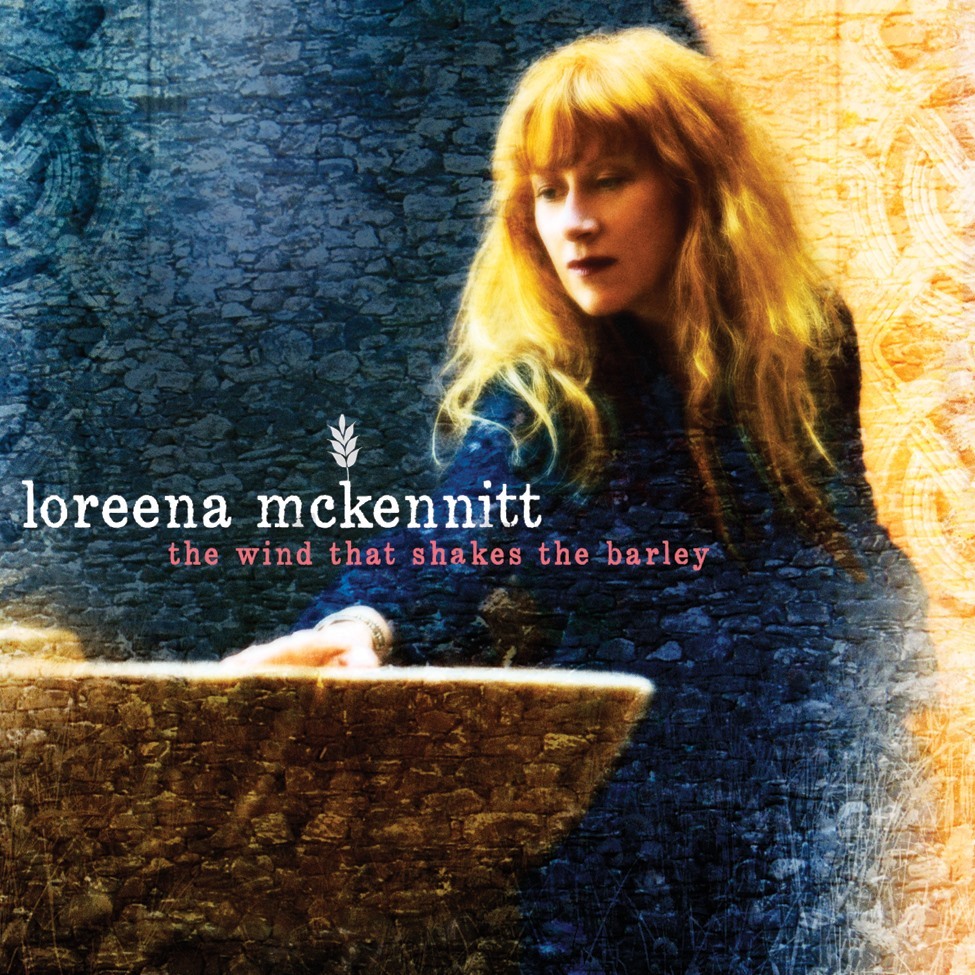
Loreena McKennitt's rendition of "The Parting Glass" isn't just a goodbye; it's a masterclass in melancholic acceptance, a sonic portrait of bittersweet farewell. The song, steeped in Irish and Scottish tradition, functions as a final toast, a contemplative look back before stepping into the unknown. The genius of McKennitt's interpretation lies in its delicate balance between regret and resignation. It acknowledges past follies ("all the harm that e'er I've done / Alas! It was to none but me") while simultaneously extending heartfelt well wishes to those left behind. The 'parting glass' itself becomes a symbol – a vessel filled not only with alcohol but with memories, friendships, and perhaps even lost love.
The lyrics hint at a complex emotional landscape. There's a suggestion of unrequited or unattainable affection ("a fair man in this town / That sorely has my heart beguiled"), adding a layer of personal longing to the broader theme of departure. This isn't merely a goodbye to friends; it's a farewell to a specific, cherished desire. The singer's acknowledgment of comrades and sweethearts who wish for their stay further emphasizes the depth of connection being severed. The line "since it falls unto my lot / That I should rise and you should not" carries a weight of destiny, suggesting an acceptance of a fate that separates them from their loved ones.
Ultimately, "The Parting Glass," as performed by McKennitt, transcends a simple farewell. It's a meditation on life's transient nature, the bittersweet beauty of human connection, and the quiet dignity of facing the inevitable. The repeated refrain, "Good night and joy be with you all," becomes a mantra, a final blessing offered with both sincerity and a touch of heartbreaking resignation. It’s a song that understands that endings, however painful, are an intrinsic part of the human experience, and that even in parting, there can be a profound sense of grace.
 View Artist