Song Meaning
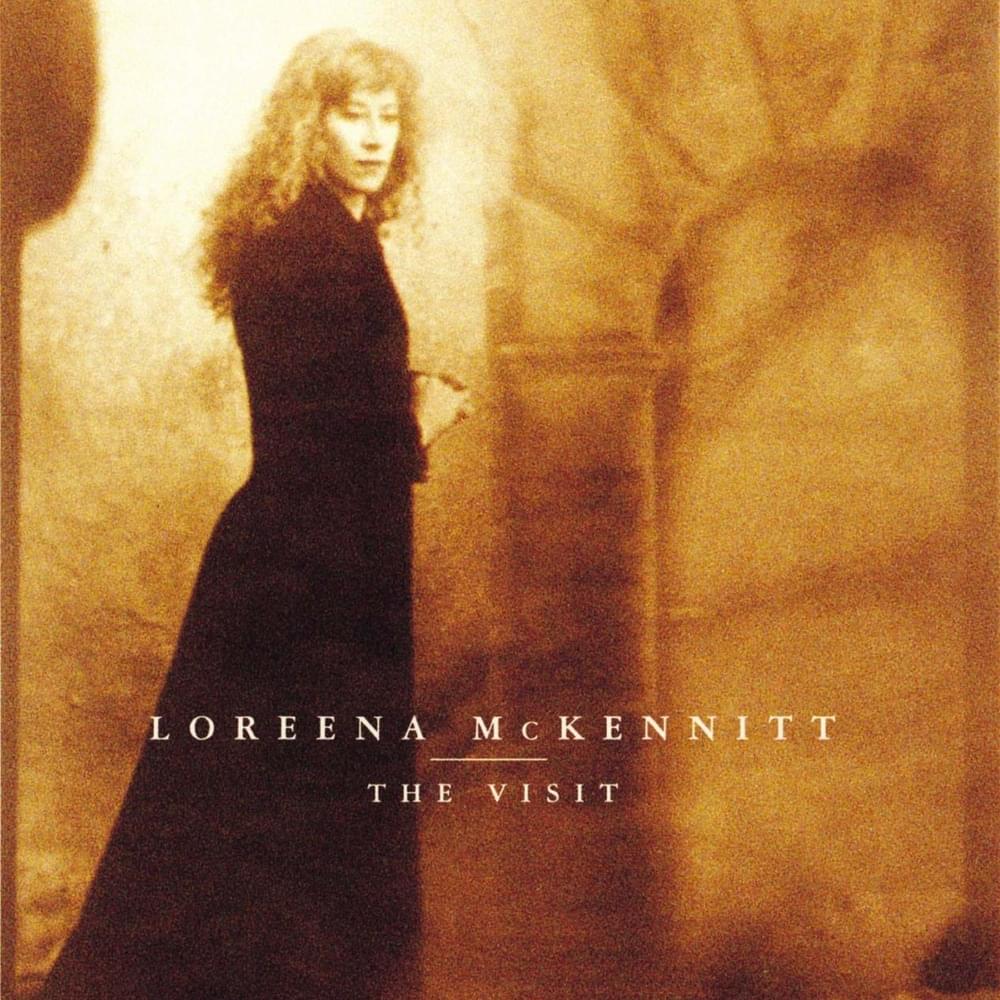
Loreena McKennitt's rendition of "Greensleeves" isn't just a medieval air; it's a study in romantic rejection, painted with the subtle brushstrokes of courtly love gone sour. The speaker, presumably a man of means, laments the loss of his lady's favor, detailing the depth of his devotion alongside her cold dismissal. It's a tale as old as time, but McKennitt's haunting arrangement amplifies the emotional core: the sting of unrequited affection and the bewilderment that accompanies it. The repetition of "Greensleeves was my delight" acts as a melancholic chorus, a constant reminder of a joy now past. But the question remains: who *is* Lady Greensleeves? Is "Greensleeves" a literal description, perhaps a symbol of envy or a perceived moral failing? Or is it a metaphor, representing a quality the speaker once adored but now sees as the cause of his heartbreak?
The lyrics hint at a transactional aspect to their relationship. The speaker lists gifts bestowed upon the lady – "Thy petticoat of sendle white…of silk and white" – suggesting an attempt to buy her affection. This raises the uncomfortable question of whether his love was genuine or merely a performance of wealth and status. The line "I have waged both life and land / Your love and goodwill for to have" further underscores this power dynamic, hinting at a desperation that may have ultimately pushed Lady Greensleeves away. It's a cautionary tale about the pitfalls of possessive love and the dangers of confusing material offerings with true emotional connection.
Ultimately, McKennitt's "Greensleeves," while seemingly simple, is a complex exploration of love, loss, and the shifting sands of human relationships. The "song meaning" resides not just in the words, but in the unspoken spaces between them – the implied power dynamics, the potential for misinterpretation, and the enduring ache of a heart scorned. It's a testament to the enduring power of folk music to capture the timeless complexities of the human condition.
 View Artist