Song Meaning
The lyrics paint a stark picture of isolation within an urban environment, immediately establishing a tone of profound loneliness. The narrator feels "sola come un cane" – alone like a dog – a comparison that evokes a sense of being abandoned and perhaps domesticated, living "in cattivita'" (in captivity). This initial feeling is tied directly to the "schifo di citta'" (disgusting city), suggesting the environment itself is a source of this alienation. The cost of this "liberta' virtuale" (virtual freedom) is presented as immense, hinting at a superficial connection that fails to alleviate the core feeling of being alone.
The central tension arises from the narrator's desire for genuine freedom versus the reality of her confinement, both physical and emotional. She asserts a need to be "libera di amare, libera di stare, libera e lottare" (free to love, free to be, free to fight), yet these freedoms seem unattainable. The repeated phrase "nemmeno" (not even) underscores this lack of possibility, highlighting a deep frustration with her circumstances. This internal conflict between aspiration and reality fuels the song's melancholic drive, emphasizing a struggle against unseen "padroni" (masters) and an unwillingness to accept what "non mi va giu'" (doesn't sit right with me).
The most striking aspect of the writing is the persistent, almost mantra-like repetition of "sola come un cane." This refrain acts as an anchor, constantly pulling the listener back to the narrator's core feeling of isolation. The imagery of a dog, often seen as loyal but also dependent and confined, powerfully communicates a sense of being trapped and yearning for something more. The contrast between this feeling and the desire for "alta quota" (high altitude) travel, where life is "non e' vuota" (not empty), further sharpens the sense of dissatisfaction with her current state and the hope for escape and transformation.
Ultimately, the effectiveness of these lyrics lies in their raw, unvarnished portrayal of loneliness and the quiet dignity with which the narrator faces her struggles. The simple, direct language and the relentless repetition of the central metaphor create an immersive experience of isolation. The shift towards the end, contemplating a change in self and seeking a life beyond the "citta'" where the "sole e' sempre a meta'" (sun is always halfway), offers a glimmer of hope, making the narrator's plight feel both deeply personal and universally understood in its yearning for genuine connection and freedom.
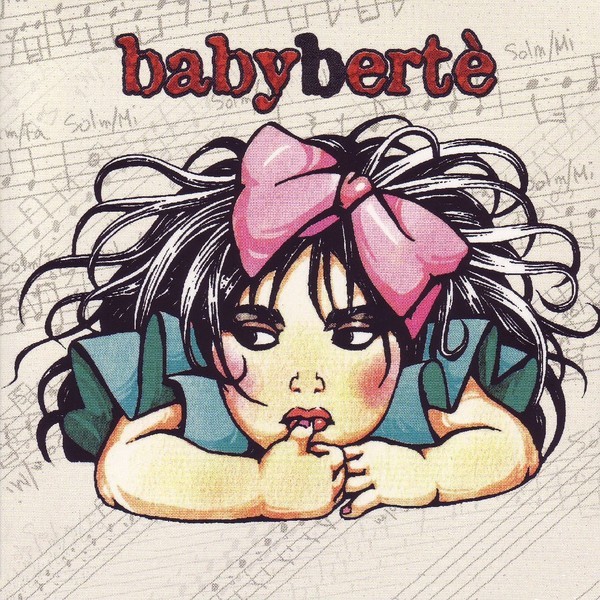
 View Artist