Song Meaning
The lyrics paint a picture of a relationship that imploded rapidly, leaving behind a bitter residue. The opening lines immediately establish a sense of regret and self-recrimination: "Lo sai cosa ti dico? / Mi frega sempre il cuore / Non ci dovevo stare / Nell'arco di due ore." This suggests a passionate but ultimately doomed entanglement that the speaker feels they should have avoided from the start.
The central tension arises from the stark contrast between shared intimacy and fundamental disconnect. While the couple "Abbiam diviso il vino / Abbiam diviso il pane" and even "Abbiam diviso il buio / I nostri desideri," the crucial element was missing: "Ma non abbiam diviso mai / I nostri pensieri." This highlights a profound lack of mental or emotional alignment, making the shared experiences feel hollow in retrospect.
The narrator’s plea, "Ridammi quel vestito," is a striking image of wanting to reclaim something tangible, perhaps a symbol of their former self or a piece of shared history that now feels tainted. The shift from shared "buio" (darkness) to the stark reality of "Adesso che è mattino" (Now that it's morning) underscores the harsh awakening from whatever illusion the relationship held. The finality of "Non farti più vedere" (Don't show yourself again) seals the emotional devastation.
What makes these lyrics hit so hard is their raw, unvarnished portrayal of a relationship's swift, brutal end. The language is direct and accusatory, yet laced with a deep sense of loss. The juxtaposition of shared physical acts and unspoken thoughts creates a palpable sense of betrayal and emptiness, leaving the listener with the lingering question of what remains when the passion fades and the fundamental differences are laid bare by the morning light.
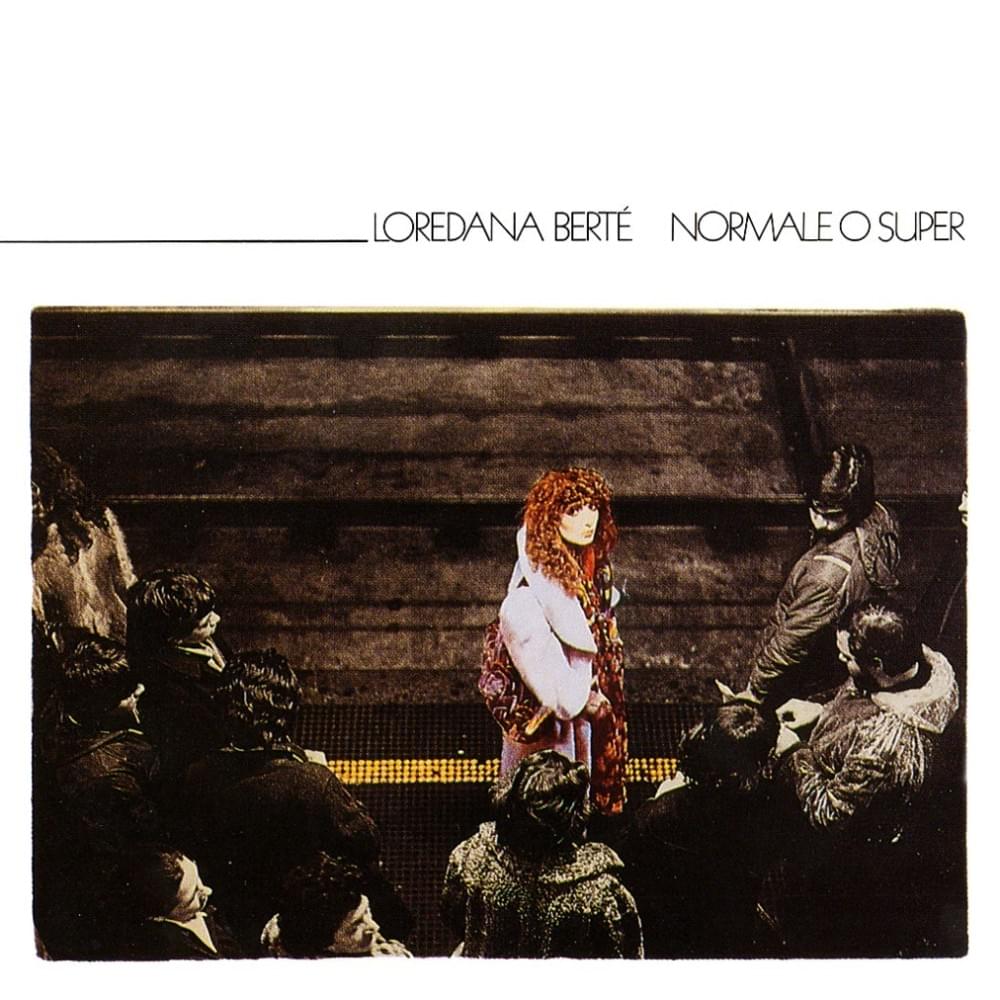
 View Artist