Song Meaning
The lyrics paint a stark picture of confinement, both literal and metaphorical. The opening lines immediately shatter any illusion of a tropical escape, stating plainly, "No hay palmeras en la ciudad." This sets a tone of bleak reality, where even the idea of freedom is absent, replaced by the grim warning, "Romper tu cabeza, te van a enterrar." The narrative seems to follow someone, perhaps "Rudy," who is either in prison or a similarly inescapable situation, facing dire consequences for attempting escape.
The dominant emotional tension arises from the crushing, unending nature of this confinement. The chorus hammers this home with the repeated phrase, "No se ve el final" – the end is nowhere in sight. This feeling of perpetual stasis applies to the "galería" (gallery/hallway), the "barrotes" (bars), the passing "días" (days), and even the sky. It suggests a life devoid of hope or progress, where every direction leads to the same dead end, driving the narrator to a desperate avoidance of thought: "No quieres pensar."
Verse 2 introduces a poignant contrast between a past life and the present reality. The narrator recalls "Los días de playa" (beach days) and a "tabla" (surfboard), representing a time of freedom and pleasure now lost. The choice made was to "empezaste a trabajar" (start working), a sacrifice that seems to have led to this current, inescapable situation. The profound regret is evident in the line, "Habrías pedido ir a morirte junto al mar" – a wish to have met death in freedom rather than endure this present state.
This lyrical construction is effective because it uses the absence of expected imagery (palm trees, the sea) to amplify the feeling of entrapment. The relentless repetition of "No se ve el final" creates a suffocating atmosphere, mirroring the psychological state of someone trapped with no perceived escape. The shift from the specific warning in Verse 1 to the personal regret in Verse 2 deepens the emotional impact, making the lack of an end feel like a personal tragedy rather than just a circumstance.
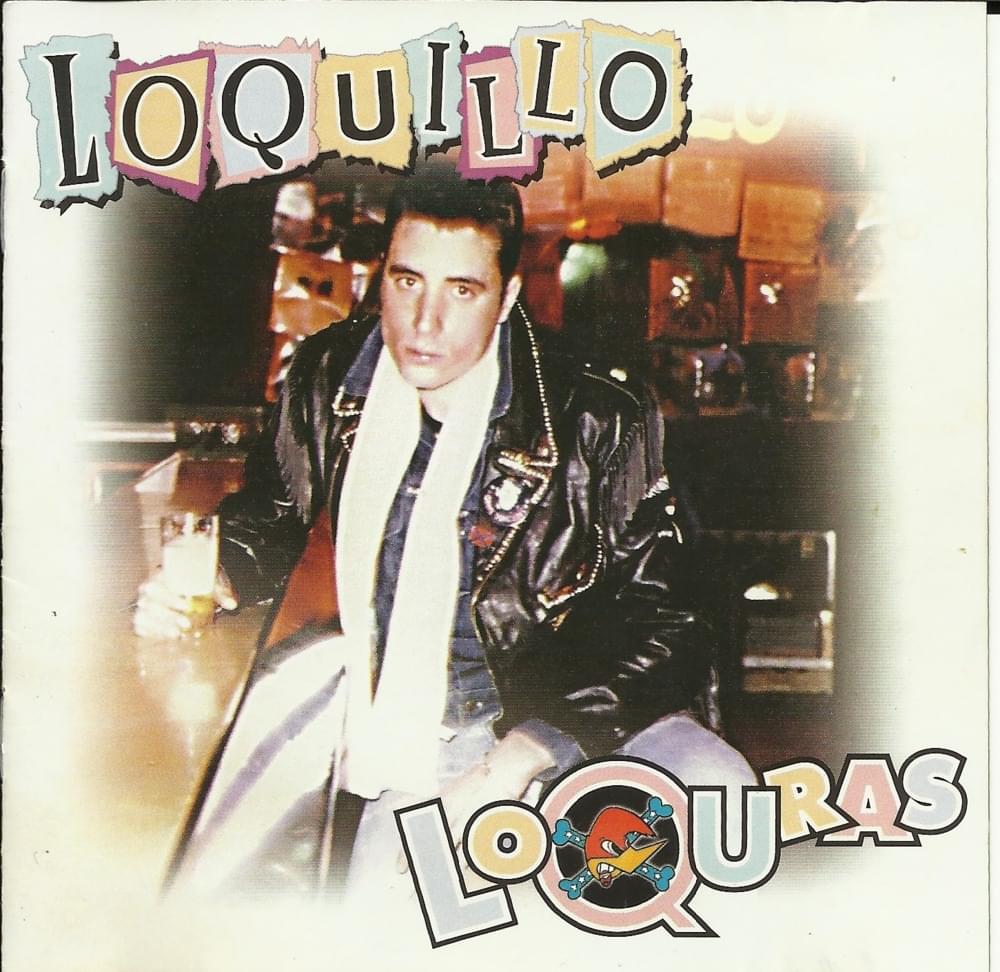
 View Artist