Song Meaning
The narrator is haunted by a missed connection, replaying moments where a significant person was absent. The opening lines paint a picture of a dimly lit party, a setting ripe for shared experiences, yet the narrator is alone, wishing they'd reached out. This feeling of absence extends to another location, "Cali," where the nights were "intense," amplifying the regret of the person not being there to witness the narrator's current state of disarray.
The core tension lies in the narrator's self-destructive tendencies and a desperate longing for reconciliation. The repeated phrase "Every little thing I touch / Every little thing can hurt me" suggests a pervasive vulnerability and a cycle of pain. This is juxtaposed with the idea of "crutches" and "reasons" that are no longer effective, implying a past reliance on coping mechanisms or justifications that have failed, leaving the narrator exposed and waiting for the absent person's return.
The lyrics masterfully build anticipation for a future reunion, a stark contrast to the present loneliness. The narrator envisions a wild, uninhibited escape: "Go out late and paint that town / Acting crazy / Throw our money all around." This idealized future offers a temporary reprieve from the current hurt, a promise of shared recklessness that might mend the fractured present. The repetition of "Waiting for that day" underscores the depth of this yearning, making the future reunion the sole focus of the narrator's hope.
Ultimately, the song's power stems from its raw portrayal of regret and the magnetic pull of a lost connection. The narrator’s admission, "I could have done better / But I didn't know that," is a poignant acknowledgment of past ignorance fueling present pain. It’s this blend of self-blame, vulnerability, and a desperate hope for a future fix that makes the narrator's isolation feel so palpable and their longing so intense.
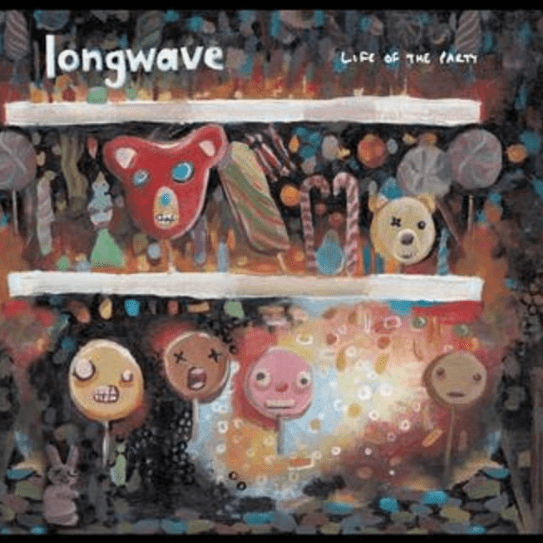
 View Artist