Song Meaning
The narrator is desperately pleading for their "baby blue" to complete them, framing this need as an almost existential void. The repeated phrase "Complete me, fill my hole" establishes a raw, urgent tone of incompleteness. This isn't a gentle request; it's a demand born from a feeling of being fundamentally broken without the other person's presence. The lyrics suggest a deep-seated insecurity, where the narrator's self-worth is entirely contingent on this relationship. The plea "Don't make it true / That I'm a fool without your love" reveals a fear of being exposed as pathetic and lost if abandoned.
The central tension lies in the narrator's self-perception versus the potential reality of their situation. They offer the "part on parole" and cling "to the mast, it's your boat," indicating a willingness to be controlled or dependent, as long as they aren't left alone. The imagery shifts from the desperate need for "filling" to a more complex comparison: "Sunken treasure gives a lot more pleasure / Than the rat." This stark contrast highlights the perceived value of the relationship, suggesting that even something lost or hidden (sunken treasure) is preferable to the grim reality of being alone (the rat). It's a desperate attempt to justify the intensity of their need.
The most striking aspect of the craft is the unsettling juxtaposition of vulnerability and objectification. The repeated "hole" and the desire to be "filled" are visceral, but they're also framed within a transactional context. The narrator sees the "baby blue" as having a specific "role" and even "soul," yet the language used to describe their own need is almost mechanical. This creates a disquieting effect, as the intense emotional plea is delivered through imagery that borders on the clinical or even crude. The repetition of "Don't make it true" amplifies the anxiety, turning a simple request into a desperate exorcism of a feared identity.
Ultimately, these lyrics resonate because they tap into a primal fear of abandonment and the feeling of being defined by another person. The raw, almost unvarnished language, coupled with the narrator's willingness to admit their perceived weakness, creates a powerful, albeit uncomfortable, portrait of dependency. The effectiveness comes from the unflinching honesty of the narrator's desperation, making the listener confront the painful reality of feeling utterly incomplete without love.
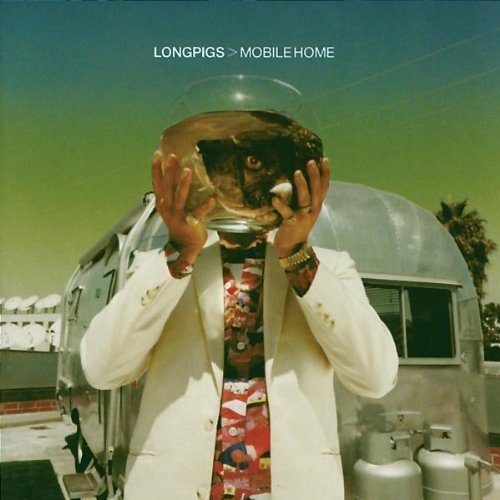
 View Artist