Song Meaning
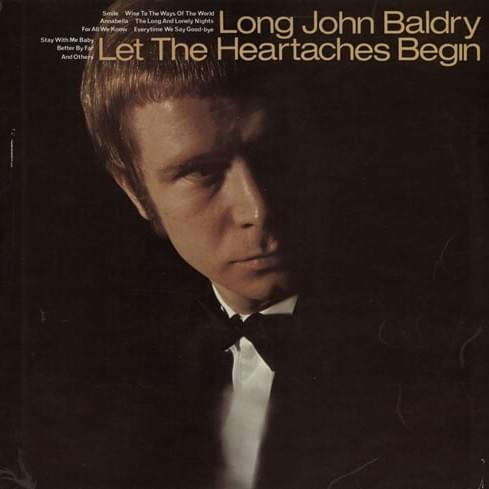
Long John Baldry's rendition of "Everytime We Say Goodbye" isn't just a farewell; it's a miniature emotional autopsy conducted in the immediate aftermath of parting. The opening lines, "Every time we say goodbye, I die a little, I wonder why a little," establish a recurring motif of diminishment and perplexed grief. The lyrics suggest a sense of helplessness, of being at the mercy of some higher, uncaring power. The speaker isn't simply sad; they're questioning the very architecture of their existence, wondering why the universe seems to conspire to separate them from their beloved.
The song pivots from lament to a celebration of the lover's presence. "When you're near, there's such an air of spring about it," Baldry croons, painting a vivid picture of renewal and joy. The reference to a lark singing reinforces this sense of idyllic bliss. It's not merely happiness; it's a complete sensory transformation, where the very air crackles with life. This contrast between the vibrancy of presence and the desolation of absence is central to the song's emotional power. It underscores how deeply intertwined the speaker's well-being is with the presence of their loved one.
The genius of "Everytime We Say Goodbye" lies in its ability to encapsulate the bittersweet nature of love and loss. The lines, "There's no love song finer, but, how strange the change, from major to minor," serve as a poignant reminder that even the most beautiful relationships are punctuated by moments of sorrow. The shift from a major to a minor key, both musically and emotionally, mirrors the speaker's experience of moving from joy to despair. Baldry’s delivery amplifies this sentiment, transforming a simple goodbye into an existential crisis, a microcosm of the human condition itself.
 View Artist