Song Meaning
Long John Baldry's rendition of "Everyday (I Have The Blues)" isn't just a lament; it's a raw, exposed nerve of existential loneliness. The cyclical nature of the blues, rendered in the repetitive "Everyday, everyday I have the blues," emphasizes the feeling of inescapable despair. It's not a fleeting sadness, but a constant companion, a shadow that stretches across every waking moment. The simplicity of the lyrics, far from being a weakness, becomes a strength, allowing the listener to project their own experiences of loss and isolation onto the song's stark emotional landscape. The repeated phrase drills into the listener’s psyche, mimicking the obsessive nature of depression itself. It is the sound of being trapped in a negative thought pattern.
The line, "When you see me worryin' baby, it's you I hate to lose," offers a glimpse into the source of Baldry's anguish. It's not simply a generalized sadness; it's rooted in a specific fear of losing a loved one. This adds a layer of vulnerability to the performance, transforming it from a generic blues lament into a personal confession. The fear of abandonment, a primal human anxiety, becomes the engine driving the song's emotional weight. The stark declaration, "Nobody loves me, nobody seems to care," amplifies this sense of isolation, suggesting a deep-seated insecurity that transcends the immediate romantic context.
Ultimately, Baldry’s version of “Everyday (I Have The Blues)” functions as a primal scream – a direct, unfiltered expression of pain. Its power lies not in lyrical complexity or narrative sophistication, but in its brutal honesty and unwavering commitment to conveying the experience of profound sadness. The song's meaning resides in its ability to tap into the universal human experience of loneliness and loss, reminding us that even in our darkest moments, we are not entirely alone in our suffering. The repetition, the rawness, the blues itself – it's all a mirror reflecting our shared capacity for pain.
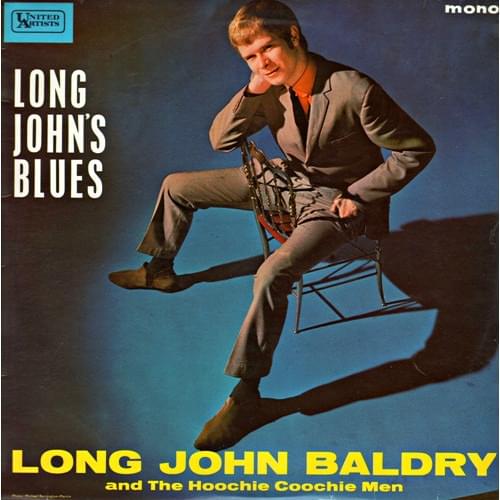
 View Artist