Song Meaning
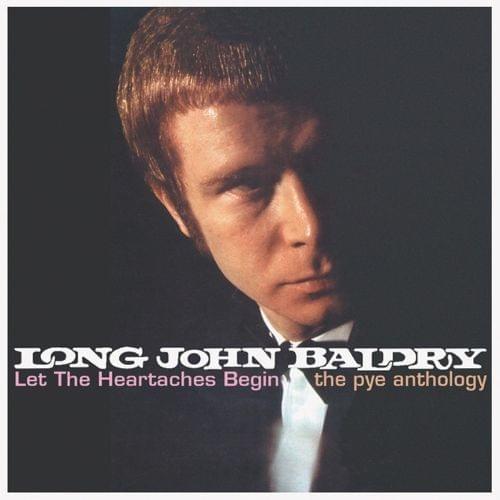
Long John Baldry's rendition of "Cry Like a Baby" isn't just a lament; it's a raw, almost primal scream of regret. The stark simplicity of the lyrics—the repeated admission of crying like a baby—cuts through any veneer of stoicism. It's a deliberate act of vulnerability, exposing the singer's emotional core after a painful realization. The phrase itself, "cry like a baby," is loaded. Culturally, it's often used dismissively, suggesting weakness or immaturity. Yet, Baldry embraces it, owning the depth of his sorrow without shame. He's not just sad; he's undone.
The core of the song meaning lies in the acknowledgment of past mistakes. The lines "I know now that you're not a plaything / Not a toy, nor a puppet on a string" speak volumes. It's a confession of objectification, of treating a lover as something less than human, a source of amusement or control rather than a partner deserving of respect and agency. This realization, born from the pain of separation, is the catalyst for the tears. The crying isn't just about the loss of the relationship; it's about the guilt of having failed to appreciate its true value. The image of passing on the street and being ignored is the final hammer blow, confirming the permanence of the loss and the singer's isolation.
Ultimately, "Cry Like a Baby," as interpreted by Long John Baldry, transcends a simple breakup song. It's a study in belated empathy, a painful lesson learned too late. The repeated assertion of crying serves as both a penance and a plea. It's a demonstration of genuine remorse, a willingness to shed the armor of masculinity and confront the emotional consequences of one's actions. The final, almost desperate, cries underscore the depth of this transformation, leaving the listener with a sense of profound, if somewhat belated, self-awareness.
 View Artist