Song Meaning
The narrator finds himself in a persistent state of longing, triggered by a fleeting encounter that unexpectedly brings a past love to mind. This external reminder, a woman tossing her hair and catching his eye, serves as a catalyst, plunging him back into a deep emotional space. The lyrics emphasize how this feeling overrides all other sensory input, stating that every musical note and sung word becomes meaningless without the presence of the person he misses. This sets the stage for the central declaration: a pervasive "I love you mood."
The core tension lies in the stark contrast between the narrator's internal emotional state and his external reality. He's "in an I love you mood," a feeling so intense it's "more than I can take," yet his dreams are filled with "lonely nights" and waking up "alone." The physical absence of his loved one transforms their shared "house" into something that is "not a home," highlighting the profound emptiness that his current mood cannot fill. This creates a poignant dissonance between the desire and the desolation.
The most striking craft element is the final line's unexpected twist: "I'm in a you broke into my heart mood." This recontextualizes the entire song, shifting the focus from a passive state of missing someone to an active, perhaps even forceful, entry into his emotional core. It suggests that the love itself, and the person who inspired it, had a profound and perhaps overwhelming impact, one that continues to resonate even in their absence. The repetition of "calling out your name" further underscores this persistent, almost involuntary, emotional outcry.
This lyrical construction is effective because it grounds an abstract emotional state in concrete, relatable experiences of absence and memory. The contrast between the overwhelming feeling of love and the painful reality of loneliness makes the narrator's predicament palpable. The final line delivers a powerful punch, suggesting that the intensity of the love is not just a passive feeling but an active force that has irrevocably shaped him, making the "I love you mood" a testament to a love that broke in, rather than just faded away.
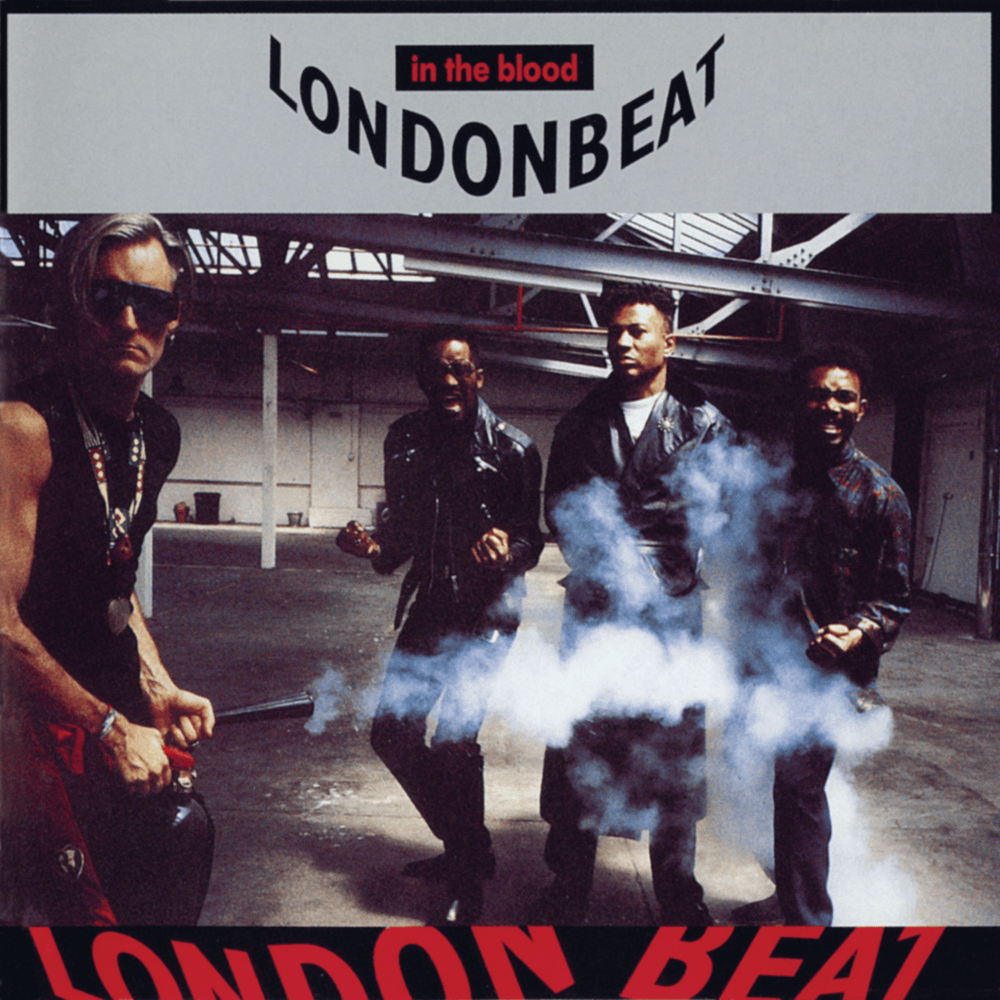
 View Artist