Song Meaning
The lyrics paint a stark picture of urban drudgery, contrasting the grim reality of daily commutes with fleeting, almost surreal daydreams. The opening lines, 'Próba sił, koła w ruch / Tramwaj zbrojny w ze dwie setki głów / Każda tryska złem,' immediately establish a sense of oppressive routine and shared negativity. This 'senna masa' (sleepy mass) seems to crush everything in its path, even abstract concepts like walls, and metaphorically squeezes jam from bread, suggesting a desperate extraction of joy or sustenance from a barren existence. The narrator's mind, however, drifts upward, seeking escape in a 'sen o palmach' (dream of palms) within a mundane 'holu domu "Zdrój"' (lobby of the "Zdrój" house), a jarring juxtaposition of tropical fantasy and concrete reality.
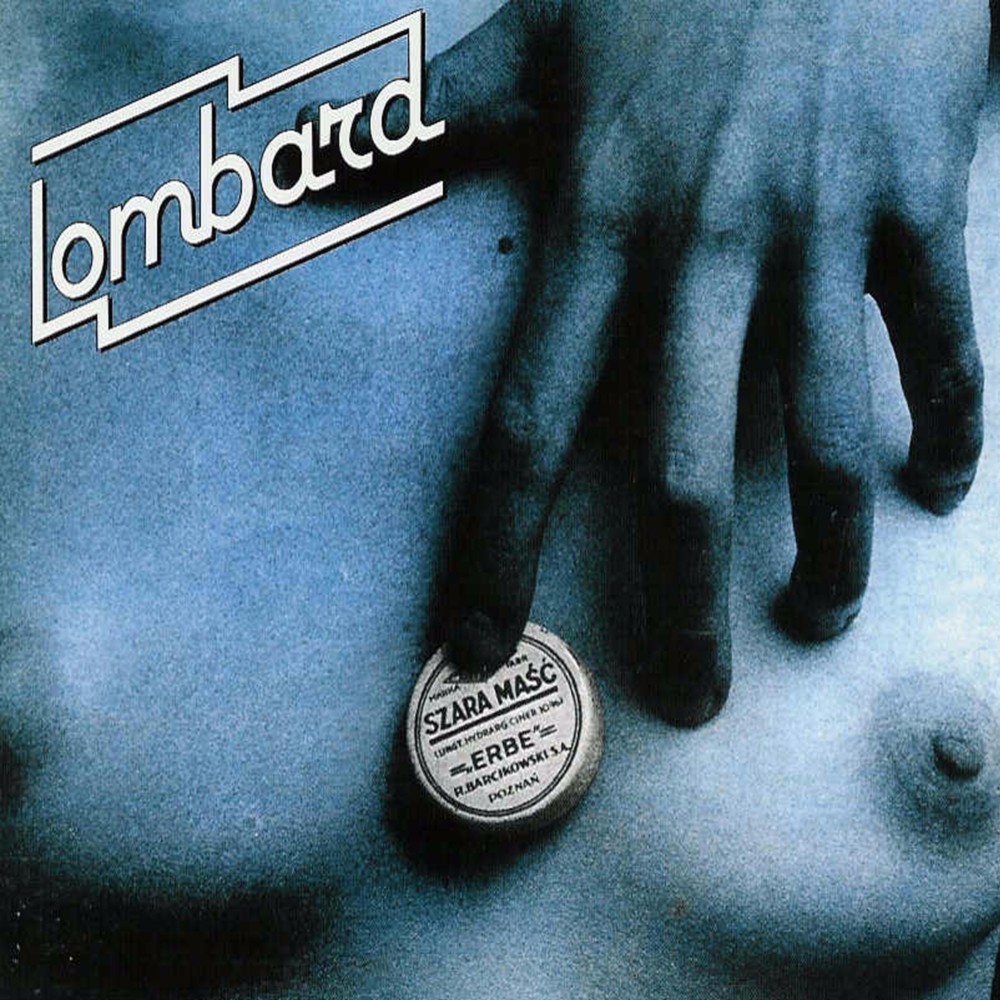
The chorus, 'Plaża fok, plaża morsów / Wrzący stok bladych torsów,' shifts the scene to a crowded, perhaps uncomfortably exposed, beach. The imagery of 'Bałtyk wsiąkł w gąbki boków' (the Baltic Sea soaked into the sides of sponges) and 'Suchy dok, czas wytopu' (dry dock, time of melting) evokes a sense of being overwhelmed and perhaps losing form under the heat and pressure. This is a place of 'składy puszek bez dna' (bottomless piles of cans) and 'skarbów ze szkła' (treasures of glass), suggesting a landscape littered with the detritus of consumption and leisure. The 'śmiechy panienek' (laughter of girls) and 'wypieczona twarz' (sunburnt face) of everyone from children to elders point to a communal, if perhaps chaotic, experience of this place.
The lyrics then introduce a sense of cyclical return and resignation. The phrase 'Jeszcze kilka dni - wreszcie dom' (a few more days - finally home) signals the end of this escapade, but the narrator is advised, 'Lepiej nie mów nic, choć możesz przekląć ją' (better not say anything, though you can curse it), because 'Przecież wróci' (it will return). This suggests an inevitability to the cycle of escape and return to the drudgery. The final lines, 'Plaża fok, plaża cudów / Raz na rok deser z nudów / Czeka gdzieś w pustych szklankach / Czai się na przystankach,' further emphasize this, portraying the beach as a rare, almost desperate 'dessert from boredom' that lurks in the mundane spaces of everyday life, waiting to be found.
 View Artist